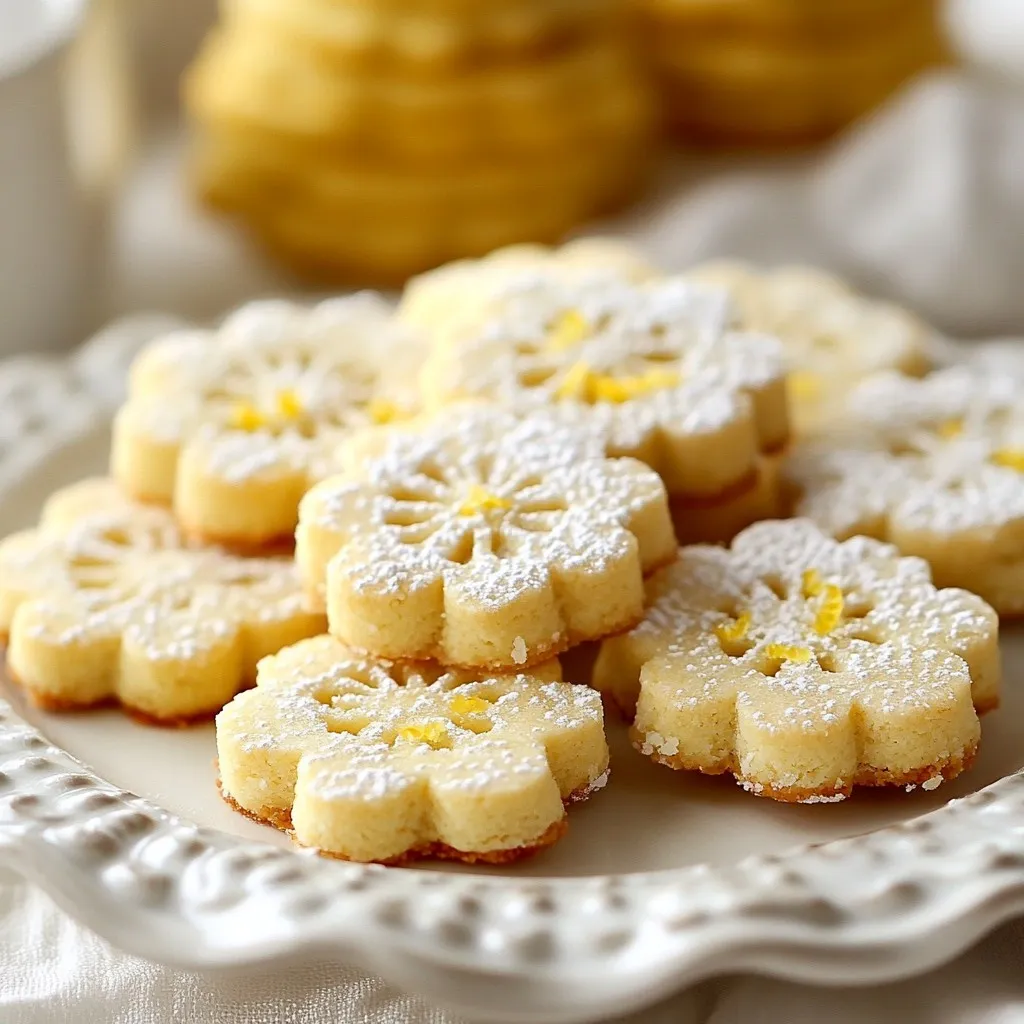
If you love simple and delightful treats, Irish Butter Shortbread Cookies are for you! Made with just a few easy-to-find ingredients, these buttery cookies melt in your mouth. I’ll show you how to create this traditional recipe, step by step. Whether you’re planning a special occasion or just craving a sweet snack, this guide has everything you need to bake the perfect batch. Let’s dive in and discover the joy of making these cookies!
Why I Love This Recipe
- Buttery Goodness: The rich, creamy flavor of Irish butter shines through, making these cookies melt-in-your-mouth delicious.
- Simplicity is Key: With just a handful of high-quality ingredients, this recipe is easy to follow, perfect for bakers of all skill levels.
- Versatile Flavor: Whether you stick to the classic recipe or add citrus zest, these cookies can be customized to suit any palate.
- Perfect for Sharing: These cookies are a delightful treat for gatherings, making them great for gifting during holidays or special occasions.
Ingredients
Key Ingredients for Irish Butter Shortbread Cookies
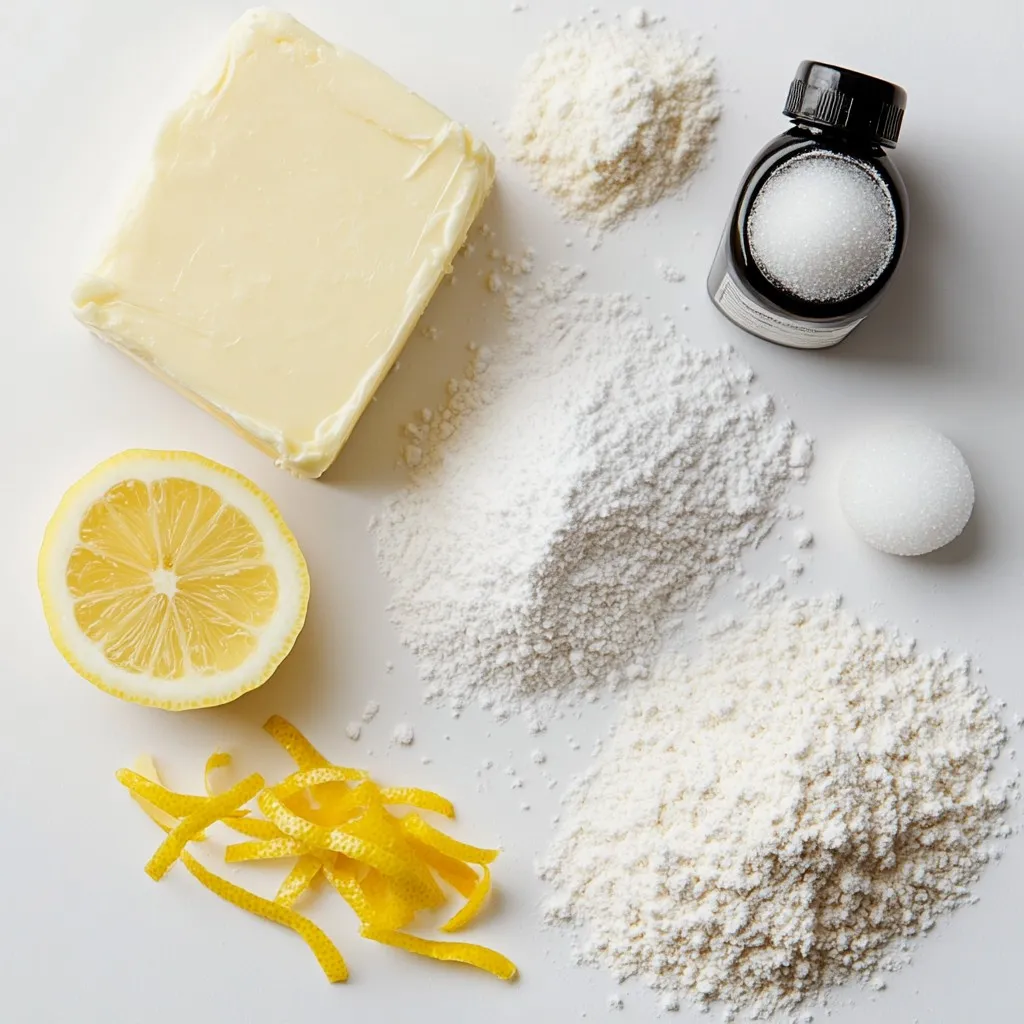
To make the best Irish butter shortbread cookies, you need just a few simple ingredients:
- 1 cup unsalted Irish butter
- ½ cup powdered sugar
- ¼ cup granulated sugar
- 2 cups all-purpose flour
- ½ cup cornstarch
- 1 teaspoon pure vanilla extract
- ¼ teaspoon salt
- Optional: Zest of 1 lemon or orange for added flavor
First, let’s talk about the star of this recipe: unsalted Irish butter. It gives the cookies a rich taste. Look for high-quality butter, as it makes a big difference.
Next, we use both powdered and granulated sugar. The powdered sugar helps make the cookies soft. The granulated sugar adds a bit of crunch.
All-purpose flour is essential for structure. It gives the cookies their shape. Cornstarch helps keep them light and tender.
Vanilla extract adds a warm flavor. If you want to be bold, add the zest of a lemon or orange. It brightens the taste and makes it special.
Each ingredient plays a key role in making these cookies simple yet delightful. When combined, they create a melt-in-your-mouth treat that you will love to share.
Step-by-Step Instructions
Preparation of the Dough
First, we need to cream the butters and sugars. In a mixing bowl, add 1 cup of softened Irish butter. Then, add ½ cup of powdered sugar and ¼ cup of granulated sugar. Mix these together until the mixture is light and fluffy. This step helps to create a soft texture in the cookies.
Next, it’s time to incorporate the vanilla and any optional flavors. Pour in 1 teaspoon of pure vanilla extract. If you want a twist, add the zest of 1 lemon or orange. This adds a nice touch of flavor. Mix until everything is combined well.
Combining Dry Ingredients
Now, let’s move to the dry ingredients. In a separate bowl, whisk together 2 cups of all-purpose flour, ½ cup of cornstarch, and ¼ teaspoon of salt. This mix helps to give the cookies a tender feel. Make sure there are no lumps in the flour.
Once your dry mix is ready, gradually add it to the butter mixture. Mix gently until the dough comes together. It should be soft but not sticky. If it feels too wet, you can add a bit more flour.
Shaping and Baking the Cookies
Now, let’s shape the cookies. Turn the dough onto a lightly floured surface. Roll it out to about ¼ inch thickness. Use a cookie cutter to cut out shapes. Place the shapes on a baking sheet lined with parchment paper. If you prefer, shape the dough into a log, chill it, and then slice it for a different look.
Preheat your oven to 325°F (160°C). Bake the cookies for 15-18 minutes. You want the edges to be lightly golden. When they are done, take them out and let them cool on the baking sheet for a few minutes. Then, transfer the cookies to a wire rack to cool completely. Enjoy your delicious Irish butter shortbread cookies!
Tips & Tricks
Achieving the Perfect Texture
To make great Irish butter shortbread cookies, the butter’s temperature is key. Use softened butter, not melted. Soft butter blends well with sugar, creating a light mix. If the butter is too cold, it won’t mix well.
Next, avoid over-mixing the dough. Mix until just combined. If you mix too long, the cookies can become tough. You want a soft dough that holds its shape.
Storing and Serving Suggestions
To keep your cookies fresh, store them in an airtight container. They will stay good for about a week. If you want to keep them longer, you can freeze the cookies. Just wrap them well and place them in the freezer.
For serving, arrange the cookies on a nice plate. Dust them with powdered sugar for a pretty look. Adding a slice of lemon or orange zest on the plate can give a colorful touch. Your guests will love the look and taste!
Pro Tips
- Chill the Dough: For better handling and to prevent spreading, chill the dough for 30 minutes before rolling it out.
- Use Quality Butter: Since butter is the star ingredient, opt for high-quality Irish butter for the best flavor.
- Add a Touch of Salt: A pinch of salt enhances the sweetness of the cookies and balances the flavors.
- Experiment with Flavors: Feel free to experiment with different citrus zests or even spices like cinnamon or nutmeg for a unique twist.
Variations
Flavor Adjustments
You can change the taste of your Irish butter shortbread cookies easily. Adding spices or extracts makes them special. For example, a pinch of cinnamon or nutmeg gives a warm flavor. You can also try almond or hazelnut extract for a nutty twist. Each option adds its own charm.
Using zest is another fun way to enhance flavor. The zest of a lemon or orange brightens the dough. It adds a fresh and tangy note that makes each bite more exciting. You can mix the zest into the butter mixture for a delicious kick.
Different Shapes and Presentations
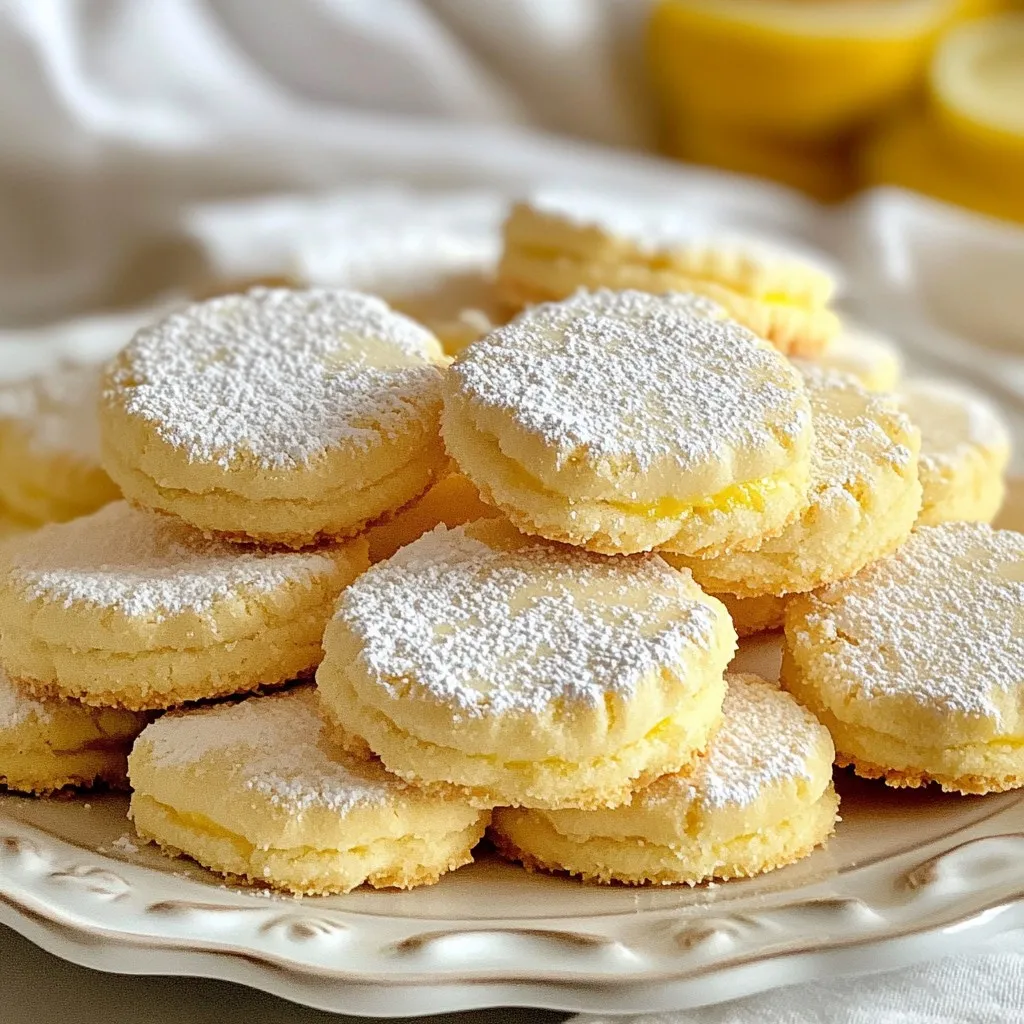
Shaping your cookies can be a fun part of the baking. You can use cookie cutters for fun shapes. This method lets you create stars, hearts, or other designs perfect for any occasion. Another option is to shape the dough into a log. After chilling the log, slice it into rounds for a different look.
You can also add a glaze or icing to your cookies. A simple glaze of powdered sugar and milk gives a sweet shine. You can even use colored icing for a festive touch. This makes your cookies not just tasty but also beautiful on a plate.
Cultural Significance
History of Shortbread in Irish Cuisine
Shortbread has deep roots in Irish culture. It dates back to the 12th century. Originally, shortbread was called “biscuit bread.” People made it using leftover dough. This simple recipe became a favorite treat.
Traditionally, shortbread was a special item for holidays and celebrations. Families served it during Christmas and weddings. Each bite of buttery bliss brings warmth and joy. It symbolizes love and togetherness in Irish homes.
Modern Twists on Traditional Recipes
Today, shortbread has many modern twists. Chefs worldwide add unique flavors and ingredients. Some use spices like cinnamon or nutmeg. Others incorporate local fruits or nuts. This keeps the spirit of shortbread alive while adding fun.
You can also use local ingredients to create new tastes. For example, try adding honey from your region. This gives a personal touch to classic recipes. Each new flavor tells a story and connects us to our roots.
FAQs
Common Questions about Irish Butter Shortbread Cookies
What is the difference between shortbread and regular cookies?
Shortbread cookies have a higher butter content. They are rich and crumbly. Regular cookies often have more sugar and eggs, which makes them softer. Shortbread’s texture is more firm and melts in your mouth.
Can I use salted butter instead of unsalted?
Yes, you can use salted butter. Just reduce the added salt in your recipe. Salted butter can add a nice flavor but may change the sweetness. Unsalted butter is best for controlling the taste.
How do I know when the cookies are done baking?
Look for lightly golden edges. The centers should still feel soft. If they are hard, they may be overbaked. Let them cool on the tray for a few minutes. They will firm up as they cool.
Storage and Shelf Life
How long do homemade shortbread cookies last?
Homemade shortbread cookies last about one week at room temperature. Store them in an airtight container. This keeps them fresh and helps them stay soft.
Can I freeze Irish Butter Shortbread Cookies?
Yes, you can freeze them! Place cooled cookies in a freezer bag. They will stay good for up to three months. Just thaw them at room temperature before serving.
In this post, we explored how to make Irish butter shortbread cookies. We covered key ingredients, step-by-step dough preparation, and tips for perfect texture. I also shared fun variations and discussed the cultural background of shortbread in Ireland.
These cookies are more than just a treat; they connect us to history. Try making them your way, and enjoy the joy of baking. Your kitchen can become a place of warmth and tradition with every bit
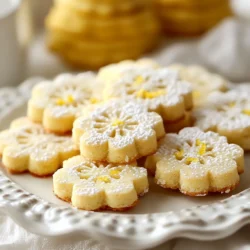
Irish Butter Shortbread Cookies
Ingredients
- 1 cup unsalted Irish butter, softened
- 0.5 cup powdered sugar
- 0.25 cup granulated sugar
- 2 cups all-purpose flour
- 0.5 cup cornstarch
- 1 teaspoon pure vanilla extract
- 0.25 teaspoon salt
- 1 zest lemon or orange (optional)
Instructions
- Preheat the oven to 325°F (160°C) and line a baking sheet with parchment paper.
- In a mixing bowl, cream together the softened Irish butter, powdered sugar, and granulated sugar until light and fluffy.
- Add the vanilla extract (and citrus zest if using) to the butter mixture and mix until combined.
- In a separate bowl, whisk together the all-purpose flour, cornstarch, and salt.
- Gradually add the dry ingredients to the butter mixture, mixing gently until the dough comes together. It should be soft but not sticky.
- Turn the dough onto a lightly floured surface and roll it out to about ¼ inch thickness.
- Use a cookie cutter to cut out shapes and place them on the prepared baking sheet. Alternatively, you can shape them into a log, chill, and slice for a different presentation.
- Bake in the preheated oven for 15-18 minutes, or until the edges are lightly golden.
- Remove from the oven and let the cookies cool on the baking sheet for a few minutes before transferring them to a wire rack to cool completely.
