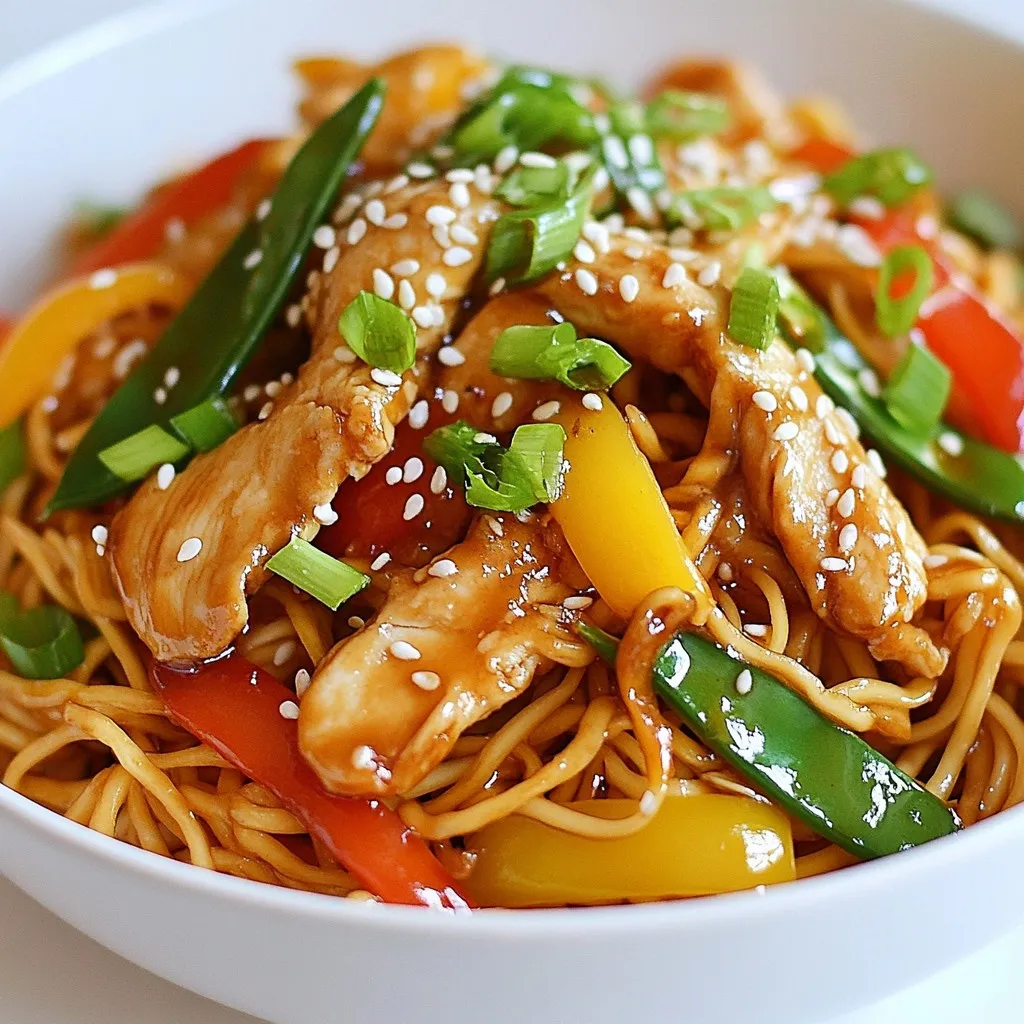
If you love quick, tasty meals, Chicken Chow Mein with Fresh Sauce will delight you! This dish bursts with flavors from marinated chicken, crisp veggies, and savory noodles. I’ll guide you step-by-step to create this flavorful delight right in your kitchen. Whether you’re a busy professional or a home cook, this recipe is simple and satisfying. Get ready to impress your family or friends with this mouthwatering meal!
Why I Love This Recipe
- Quick and Easy: This dish comes together in just 30 minutes, making it perfect for busy weeknights.
- Fresh Ingredients: Loaded with colorful vegetables, this chow mein is as nutritious as it is delicious.
- Customizable: You can easily swap in your favorite proteins or vegetables to suit your tastes.
- Flavorful Sauce: The combination of soy sauce, oyster sauce, and lime juice creates a mouthwatering, fresh flavor.
Ingredients
List of Ingredients
- Chicken and Marinade Components
- 2 boneless, skinless chicken breasts, thinly sliced
- 2 tablespoons soy sauce
- 1 tablespoon oyster sauce
- 1 tablespoon sesame oil
- 2 teaspoons cornstarch
- Vegetable Add-ins
- 1 cup bean sprouts
- 1 cup shredded carrots
- 1 bell pepper, sliced (red or yellow)
- 1 cup snow peas, trimmed
- 3 green onions, sliced
- 3 cloves garlic, minced
- 1 teaspoon ginger, grated
- Chow Mein Noodles and Sauces
- 4 cups cooked chow mein noodles
- 1 tablespoon fresh lime juice
- Salt and pepper to taste
- Optional garnish: fresh cilantro or sesame seeds
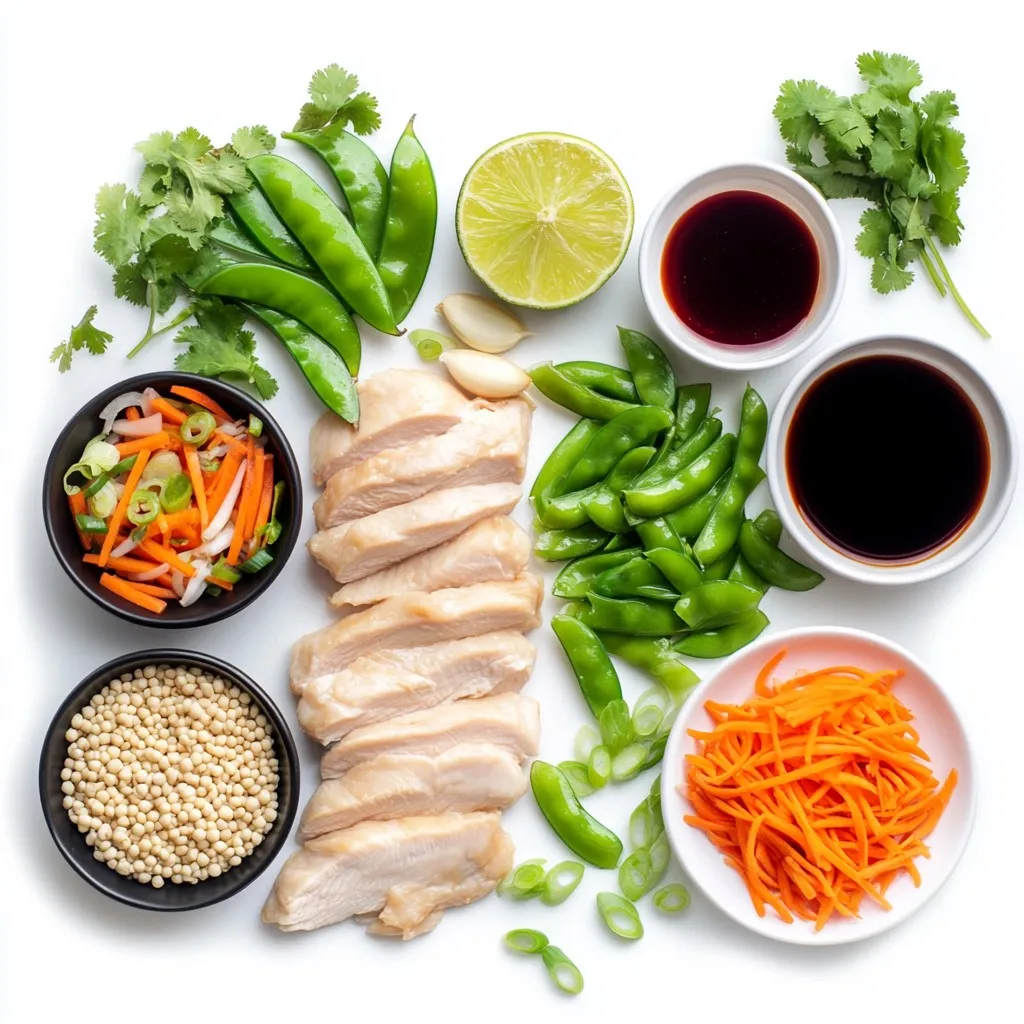
Gathering fresh ingredients is key to a great Chicken Chow Mein. The chicken gives it a nice protein boost. The marinade adds depth and flavor, making the dish shine. Fresh vegetables keep the meal bright and crunchy. The chow mein noodles are the heart of this dish, bringing everything together. The sauces add that unique taste we all love.
Step-by-Step Instructions
Marinating the Chicken
To make Chicken Chow Mein tasty, start by marinating the chicken. In a bowl, mix sliced chicken with one tablespoon of soy sauce, sesame oil, and cornstarch. This mixture helps the chicken stay tender and adds flavor. You should let it marinate for 15 to 20 minutes. This time lets the chicken soak up the flavors well.
Cooking the Chicken
Next, heat one tablespoon of vegetable oil in a large skillet or wok on medium-high heat. Once hot, add the marinated chicken. Stir-fry it for about 5 to 7 minutes. You want it to be fully cooked and slightly browned. Make sure you stir often. After cooking, remove the chicken from the pan and set it aside.
Stir-Frying Vegetables
Now it’s time for the vegetables! In the same skillet, add the other tablespoon of oil. Toss in minced garlic and grated ginger first. Stir-fry for about 30 seconds until you smell a nice aroma. Then, add the bell pepper, shredded carrots, snow peas, and bean sprouts. Stir-fry these for about 3 to 4 minutes. You want them to be tender-crisp, which means they should still have a little crunch.
Combining Ingredients
Return the cooked chicken to the pan. Pour in the remaining soy sauce, oyster sauce, and fresh lime juice. Then, add the cooked chow mein noodles. Toss everything together until well mixed. Make sure the noodles are evenly coated with the sauces. Cook for an extra 2 to 3 minutes to heat everything through. Finally, season with salt and pepper to taste.
Tips & Tricks
Cooking Techniques
Using a wok for Chicken Chow Mein is key. Here are some best practices:
- Heat it up: Preheat your wok until it’s hot. This helps sear your chicken and veggies.
- Don’t overcrowd: Cook in batches to avoid steaming. This keeps everything crisp.
- Use high smoke point oil: Vegetable or peanut oil works best. It can handle high heat without burning.
To avoid mushy vegetables, follow these tips:
- Cut evenly: Chop your vegetables into similar sizes. This helps them cook at the same rate.
- Quick stir-fry: Cook vegetables for just a few minutes. You want them tender but crisp.
- Add veggies in order: Start with denser ones like carrots. Add lighter ones like bean sprouts last.
Flavor Enhancements
Adjust the seasoning for your taste. Here are some suggestions:
- Add spice: A pinch of red pepper flakes can boost the heat.
- Fresh herbs: Try adding fresh basil or cilantro for extra flavor.
- Citrus zing: A splash of lime juice adds brightness to your dish.
For heat levels, keep these tips in mind:
- Adjust heat for noodles: Lower the heat when tossing in cooked noodles. This prevents burning.
- Medium-high for veggies: Stir-fry at medium-high heat for that perfect sear.
- Control chicken cooking: Start high, then lower to cook through without drying out.
Pro Tips
- Marinate for Flavor: Allow the chicken to marinate for at least 20 minutes. This enhances the flavor and tenderness of the meat.
- High Heat is Key: Stir-frying requires high heat to achieve that perfect sear on the chicken and vegetables, ensuring they are cooked quickly and remain crisp.
- Veggie Variety: Feel free to add or substitute your favorite vegetables like broccoli, mushrooms, or bok choy for more flavor and nutrition.
- Finish with Freshness: Adding lime juice at the end brightens the dish and enhances the overall flavor profile, so don’t skip this step!
Variations
Protein Alternatives
You can switch out chicken for many proteins. Shrimp, beef, or tofu work well. For a lighter dish, try using sliced turkey breast. If you want a vegetarian option, use firm tofu or tempeh. Both soak up flavors nicely. You can also use chickpeas for a plant-based protein. They add a nice texture.
Vegetable Swaps
Seasonal veggies can spice up your chow mein. Use broccoli, zucchini, or bell peppers. If you love greens, add spinach or bok choy. These choices boost nutrition and flavor. For a crunch, toss in water chestnuts or bamboo shoots. They add a fun bite to the dish.
Sauce Modifications
You can customize the sauce to fit your taste. If you like spice, add chili paste or sriracha. For a sweeter touch, try honey or brown sugar. If gluten is a concern, use tamari instead of soy sauce. Looking for low-sodium options? Use low-sodium soy sauce. Adjust the flavors to create your perfect blend.
Storage Info
Storing Leftovers
To keep your chicken chow mein fresh, store it in an airtight container. This helps lock in flavor and moisture. Let it cool down to room temperature before sealing it. Place the container in the fridge. Your dish can stay fresh for about 3 to 4 days. If you want to keep it longer, consider freezing it. In the freezer, it lasts up to 2 months. Just remember to label the container with the date.
Reheating Instructions
When reheating, use a skillet for the best texture. Add a splash of water to create steam. This helps the noodles and veggies stay moist. Heat on medium until warm, stirring often. Avoid the microwave if you can. It can make your dish soggy. If you must use it, cover the bowl loosely. This prevents excess moisture build-up. Enjoy your chow mein as if it were fresh!
FAQs
What is the best way to cook chow mein noodles?
To cook chow mein noodles, boil water in a pot. Add the noodles and cook for about 3-5 minutes until they are tender. Drain and rinse them with cold water to stop the cooking process. Using pre-cooked noodles makes it easier to stir-fry. They heat quickly and blend well with other ingredients.
Can I make Chicken Chow Mein ahead of time?
Yes, you can prepare Chicken Chow Mein ahead of time. Cook the chicken and vegetables, then store them in the fridge for up to three days. If you freeze it, use it within a month. However, freezing may affect the taste and texture of the veggies. Fresh is always best for crunch.
What can I serve with Chicken Chow Mein?
Chicken Chow Mein pairs well with several side dishes. Try serving it with spring rolls or dumplings for a tasty touch. A light soup can also complement the meal. For drinks, serve it with green tea or a light beer. These options create a balanced and flavorful dining experience.
This blog post covered how to make Chicken Chow Mein, highlighting key ingredients and cooking steps. We explored marinating chicken, stir-frying perfect veggies, and mixing flavors. I shared tips for cooking techniques and flavor boosts to enhance your meal. You can also adapt this dish with protein and vegetable swaps. Proper storage and reheating methods keep leftovers fresh. Now, with these insights, you can create a delicious Chicken Chow Mein tailored to your taste. Enjoy cooking and experimenting in your kitche
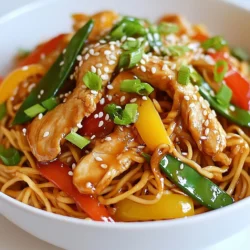
Chicken Chow Mein with Fresh Sauce
Ingredients
- 2 pieces boneless, skinless chicken breasts, thinly sliced
- 2 tablespoons soy sauce
- 1 tablespoon oyster sauce
- 1 tablespoon sesame oil
- 2 teaspoons cornstarch
- 2 tablespoons vegetable oil
- 1 cup bean sprouts
- 1 cup shredded carrots
- 1 piece bell pepper, sliced (red or yellow)
- 1 cup snow peas, trimmed
- 3 pieces green onions, sliced
- 3 cloves garlic, minced
- 1 teaspoon ginger, grated
- 4 cups cooked chow mein noodles
- 1 tablespoon fresh lime juice
- to taste salt and pepper
- optional fresh cilantro or sesame seeds
Instructions
- In a bowl, combine the sliced chicken, 1 tablespoon soy sauce, sesame oil, and cornstarch. Mix well and let it marinate for 15-20 minutes.
- Heat 1 tablespoon of vegetable oil in a large skillet or wok over medium-high heat. Add the marinated chicken and stir-fry for about 5-7 minutes until fully cooked and slightly browned. Remove from the pan and set aside.
- In the same skillet, add the remaining tablespoon of oil. Toss in the minced garlic and grated ginger, and stir-fry for about 30 seconds until fragrant.
- Add the bell pepper, shredded carrots, snow peas, and bean sprouts to the pan. Stir-fry for about 3-4 minutes until the vegetables are tender-crisp.
- Return the cooked chicken to the pan and mix in the remaining soy sauce, oyster sauce, and lime juice. Add in the cooked chow mein noodles, tossing everything together until well combined.
- Cook for an additional 2-3 minutes, ensuring the noodles are heated through, and season with salt and pepper to taste.
- Remove from heat, and sprinkle the sliced green onions over the top.
