

Are you ready to elevate your baking game? This Blueberry Lemon Sourdough Bread recipe is both easy and packed with flavor! With a bubbly sourdough base, zesty lemon notes, and bursts of juicy blueberries, this bread is sure to impress. Follow me as I break down the ingredients and the simple steps to create a loaf that’s not only delicious but also showcases your skills. Let’s dive in!
Why I Love This Recipe
- Delicious Flavor Combination: The bright lemon zest and juicy blueberries create a refreshing and delightful taste that pairs perfectly with the tangy sourdough.
- Artisan Touch: This recipe allows you to make a beautiful, homemade artisan bread that looks and tastes impressive, perfect for sharing.
- Healthier Option: Using whole wheat flour adds fiber and nutrients, making this bread a healthier choice without compromising on flavor.
- Easy to Customize: You can easily adapt this recipe by adding nuts or spices, making it versatile for different tastes and occasions.
Ingredients
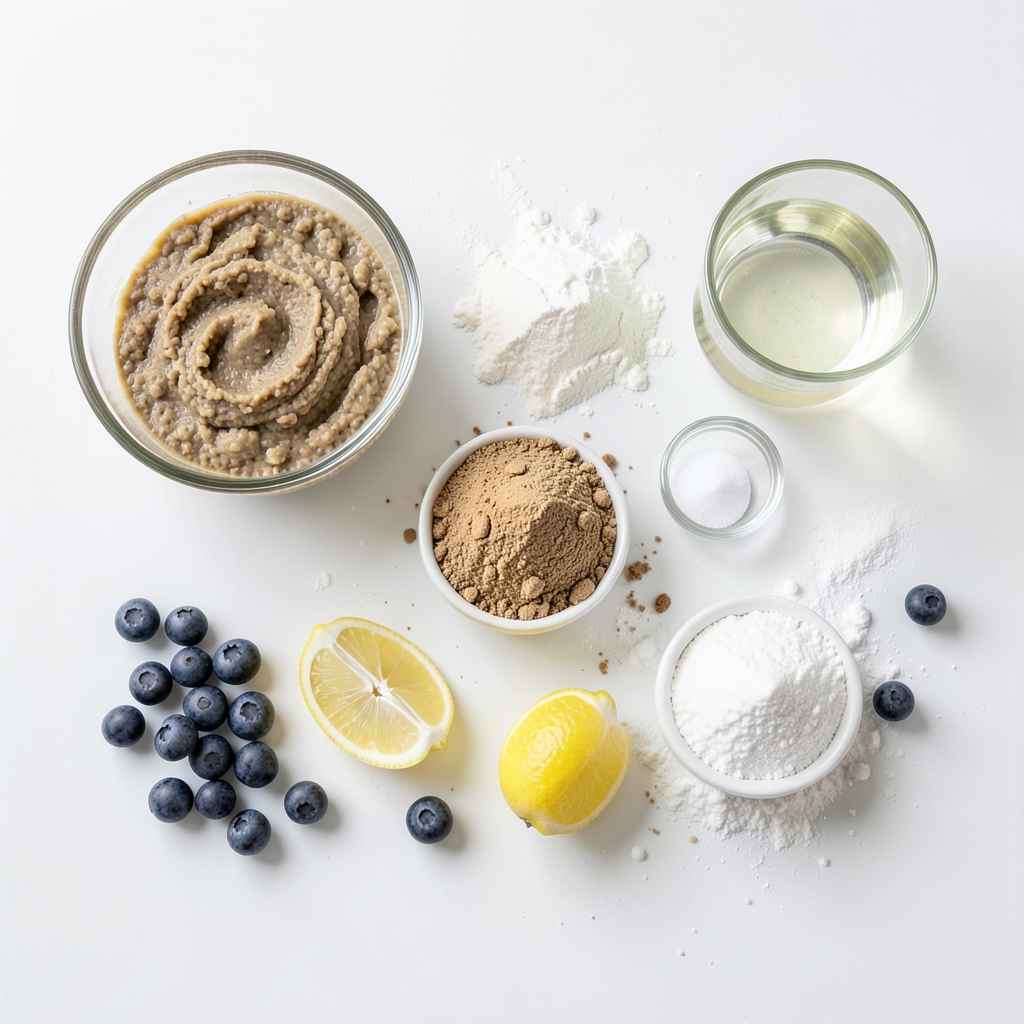
List of Ingredients
- 1 cup active sourdough starter
- 1 cup all-purpose flour
- 1 cup whole wheat flour
- 1 teaspoon salt
- 1 tablespoon sugar
- ¾ cup lukewarm water
- Zest of 1 lemon
- 2 tablespoons lemon juice
- 1 cup fresh blueberries (or frozen, thawed)
- Extra flour for dusting
For this Blueberry Lemon Sourdough Bread, the ingredients are key to its great taste. First, the active sourdough starter is your magic potion. It gives the bread a lovely rise and a tangy flavor. Use 1 cup of it for the best result.
Next, we need flour. I use both all-purpose and whole wheat flour. This mix gives the bread a nice texture and flavor. Each type of flour adds something special to the bread. You’ll want 1 cup of each.
Salt and sugar are also important. The salt helps enhance the flavors, and the sugar feeds the yeast. Just 1 teaspoon of salt and 1 tablespoon of sugar are perfect.
Water plays a vital role too. Use ¾ cup of lukewarm water to help mix things well. The warmth wakes up your starter and yeast, making the dough rise nicely.
Now, let’s talk about the lemon! The zest and juice of 1 lemon add a bright flavor that makes this bread stand out. It’s fresh and uplifting.
Lastly, the blueberries! You can use 1 cup of fresh blueberries or frozen ones. If you use frozen, make sure they are thawed. They add sweetness and bursts of flavor in every bite.
Don’t forget some extra flour for dusting during kneading. This keeps your dough from sticking and helps you shape it well.
With these ingredients, you are ready to create a beautiful loaf of Blueberry Lemon Sourdough Bread!
Step-by-Step Instructions
Preparing the Dough
- Mixing Starter, Water, and Sugar
In a large bowl, I start by mixing 1 cup of active sourdough starter, ¾ cup of lukewarm water, and 1 tablespoon of sugar. I stir until the mixture is smooth and well combined. This is the base of our dough.
- Adding Flour, Salt, Zest, and Juice
Next, I add 1 cup of all-purpose flour, 1 cup of whole wheat flour, 1 teaspoon of salt, the zest of 1 lemon, and 2 tablespoons of lemon juice. I mix it until a shaggy dough forms. This step brings in all the wonderful flavors.
- Kneading Technique for Optimal Texture
I then turn the dough out onto a lightly floured surface. Using my hands, I knead the dough for about 10 minutes. If it feels sticky, I add a bit more flour. The goal is a smooth, elastic dough that feels nice to touch.
Incorporating Blueberries
- Gently Folding in Blueberries
After kneading, I carefully fold in 1 cup of fresh blueberries. It’s important to do this gently so I don’t crush the berries. They add bursts of flavor and color to the bread.
- Ensuring Even Distribution
I make sure the blueberries are evenly spread throughout the dough. This way, every slice will have sweet blueberries in it.
Rising and Shaping the Dough
- First Rise: Time and Conditions
I place the dough in a lightly greased bowl and cover it with a damp cloth. I let it rest for 4-6 hours at room temperature until it doubles in size. This is the magic of sourdough fermentation.
- Shaping Techniques on a Floured Surface
Once the dough has risen, I turn it out onto a floured surface. I gently shape it into a round loaf. This shaping helps the dough hold its form during the second rise.
- Second Rise: Preparation for Baking
I then place the loaf on a parchment-lined baking sheet. I cover it and let it rise again for 1-2 hours. During the last 30 minutes, I preheat my oven to 450°F (230°C). This ensures a hot oven for baking, which is key for a great crust.
Tips & Tricks
Perfecting Your Sourdough
Achieving the Right Dough Consistency To get the best dough, mix your ingredients well. The dough should feel slightly sticky but not wet. If it sticks too much to your hands, add a little extra flour. Knead the dough until it is smooth and elastic, about 10 minutes. This helps develop gluten, which gives the bread its structure.
Timing Tips for Rising Bread Timing is key for great sourdough bread. After mixing, let the dough rise in a warm spot for 4 to 6 hours. This allows the yeast to grow. Look for the dough to double in size. For the second rise, let it rest for another 1 to 2 hours. This helps create those lovely air pockets in the bread.
Flavor Enhancements
Alternative Add-ins You can get creative with your bread. Consider adding chopped nuts like walnuts or pecans for crunch. Cinnamon or cardamom can add warmth. These flavors blend well with lemon and blueberries. Just be sure not to add too much so you keep the balance.
How to Adjust Sweetness Levels If you like your bread sweeter, add more sugar. You can increase the sugar by one tablespoon. If you prefer less sweetness, cut back on the sugar. Keep in mind that the blueberries also add natural sweetness. Taste the dough before baking to find your perfect balance.
Baking Tips
Scoring Techniques for Beautiful Loaves Scoring the dough before baking is important. Use a sharp knife to make a few shallow cuts on top. This helps the bread expand while baking. It also adds a nice look to your loaf. Try different designs to make each loaf unique.
Recognizing Doneness: Visual and Temperature Cues To know if your bread is done, check the color. The crust should be golden brown. You can also use a thermometer. The inside of the bread should reach 200°F (93°C). Tap the bottom of the loaf; it should sound hollow when it's ready.
Pro Tips
- Tip for Active Starter: Ensure your sourdough starter is bubbly and active before using it. Feeding it 4-6 hours before the recipe will give you the best rise.
- Tip for Blueberries: If using frozen blueberries, make sure to thaw and drain them well to prevent excess moisture in the dough.
- Tip for Shaping: When shaping the loaf, be gentle with the dough to maintain the air bubbles created during fermentation, which contributes to a light texture.
- Tip for Scoring: Use a sharp knife or a lame to score the dough just before baking. This allows the loaf to expand beautifully in the oven.
Variations
Flavor Variations
You can change up the flavors in your Blueberry Lemon Sourdough Bread easily.
- Adding Other Fruits: You can swap blueberries for other fruits like raspberries or strawberries. These fruits add a new taste. They bring a bit of tartness or sweetness to your bread. Just use the same amount of fruit for the best results.
- Citrus Alternatives: If you want a different tang, try lime or orange zest. Both fruits work well with the sourdough base. They create a fresh twist and brighten the flavor.
Gluten-Free Options
Making this bread gluten-free is possible too.
- Substitutions for Gluten-Free Flour: Use a gluten-free flour blend instead of all-purpose and whole wheat flour. Look for blends that have xanthan gum. This will help the bread rise and hold its shape.
- Adjustments in Liquid Ratios: Gluten-free flours absorb more liquid. You might need to add a bit more water. Start with a few extra tablespoons until the dough feels right.
Health-Conscious Adjustments
If you want a healthier bread, there are easy swaps.
- Lower Sugar Options: You can cut down the sugar in the recipe. Try using half the sugar or a natural sweetener like honey. This will still give you nice flavor without the extra sweetness.
- Using Whole Grain Alternatives: Substitute whole wheat flour for a different flour, like oat or spelt. These flours add more fiber and nutrients. They give your bread a hearty texture and a richer taste.
Storage Info
Best Storage Practices
- Storing Bread at Room Temperature
To keep your Blueberry Lemon Sourdough Bread fresh, store it at room temperature. Place the bread in a paper bag or wrap it lightly in a clean kitchen towel. This helps it breathe. Avoid plastic bags, as they trap moisture and can make the crust soft. Enjoy your bread within three days for the best taste.
- Freezing for Long-Term Storage
If you can't eat the bread in time, freezing is a great option. Slice the bread first. Wrap each slice in plastic wrap or foil, then place them in a freezer bag. This prevents freezer burn. You can freeze the bread for up to three months. To enjoy, simply thaw at room temperature or toast straight from the freezer.
Storing Leftover Blueberries
- Tips for Preserving Freshness
Fresh blueberries are best when stored in the fridge. Keep them in their original container, as it allows airflow. Don’t wash them until you’re ready to eat. Washing can cause them to spoil faster. If you find any mushy berries, remove them to help the others stay fresh.
- Best Practices for Thawed Blueberries
If you use frozen blueberries, thaw them in the fridge for several hours. This keeps them firm. After thawing, use them quickly, as they can get mushy. You can also add them to smoothies or oatmeal for a tasty treat.
FAQs
Common Questions
How to tell if my sourdough starter is active? You can tell if your sourdough starter is active by checking for bubbles. A healthy starter should rise and fall within 4 to 6 hours after feeding. If it doubles in size and feels airy, it’s ready to use.
Can I use frozen blueberries in the recipe? Yes, you can use frozen blueberries! Just make sure to thaw and drain them before adding. This helps prevent too much moisture in your dough.
What should I do if my dough is too sticky? If your dough is too sticky, sprinkle a little extra flour as you knead. Keep kneading until the dough feels smooth and elastic. Don't add too much flour at once; a little goes a long way.
Additional Inquiries
How do I rehydrate a dry sourdough starter? To rehydrate a dry sourdough starter, mix equal parts of water and flour. Let it sit at room temperature for 12 to 24 hours. Feed it regularly until it becomes bubbly and active.
Can I scale the recipe for larger batches? Yes, you can easily scale the recipe. Just multiply each ingredient by the number of loaves you want to make. Keep in mind that rising times may vary with larger batches.
What pairs well with Blueberry Lemon Sourdough Bread? This bread pairs well with butter, honey, or cream cheese. A hot cup of tea or coffee makes a perfect drink alongside it. Enjoy it fresh, toasted, or in a sandwich!
In this post, I shared how to make Blueberry Lemon Sourdough Bread. You learned about the essential ingredients, step-by-step instructions, and useful tips. I highlighted ways to add flavors and adapt the recipe for different diets. Plus, I covered the best storage methods for both bread and blueberries.
Baking this bread can be fun and rewarding. Enjoy the process and share your results!