

Are you ready to savor a bowl of pure comfort? My Creamy Asparagus and Parmesan Soup is a flavorful delight you won't want to miss! Made with fresh ingredients, this soup is rich and tasty, perfect for any season. I’ll guide you through each step, from preparation to cooking. Plus, I’ll share tips, tricks, and variations to make it your own. Dive in to discover how easy it is to create this delicious dish!
Why I Love This Recipe
- Fresh Ingredients: The use of fresh asparagus brings a vibrant flavor and a bright green color to the soup, making it not only delicious but visually appealing.
- Creamy Texture: The addition of heavy cream and Parmesan cheese creates a rich, velvety texture that makes each spoonful feel indulgent.
- Easy to Prepare: With simple steps and minimal ingredients, this soup can be made quickly, making it a perfect choice for weeknight dinners.
- Versatile Dish: This soup can be served as a starter or main course, and it's easy to customize with different herbs or toppings to suit your taste.
Ingredients
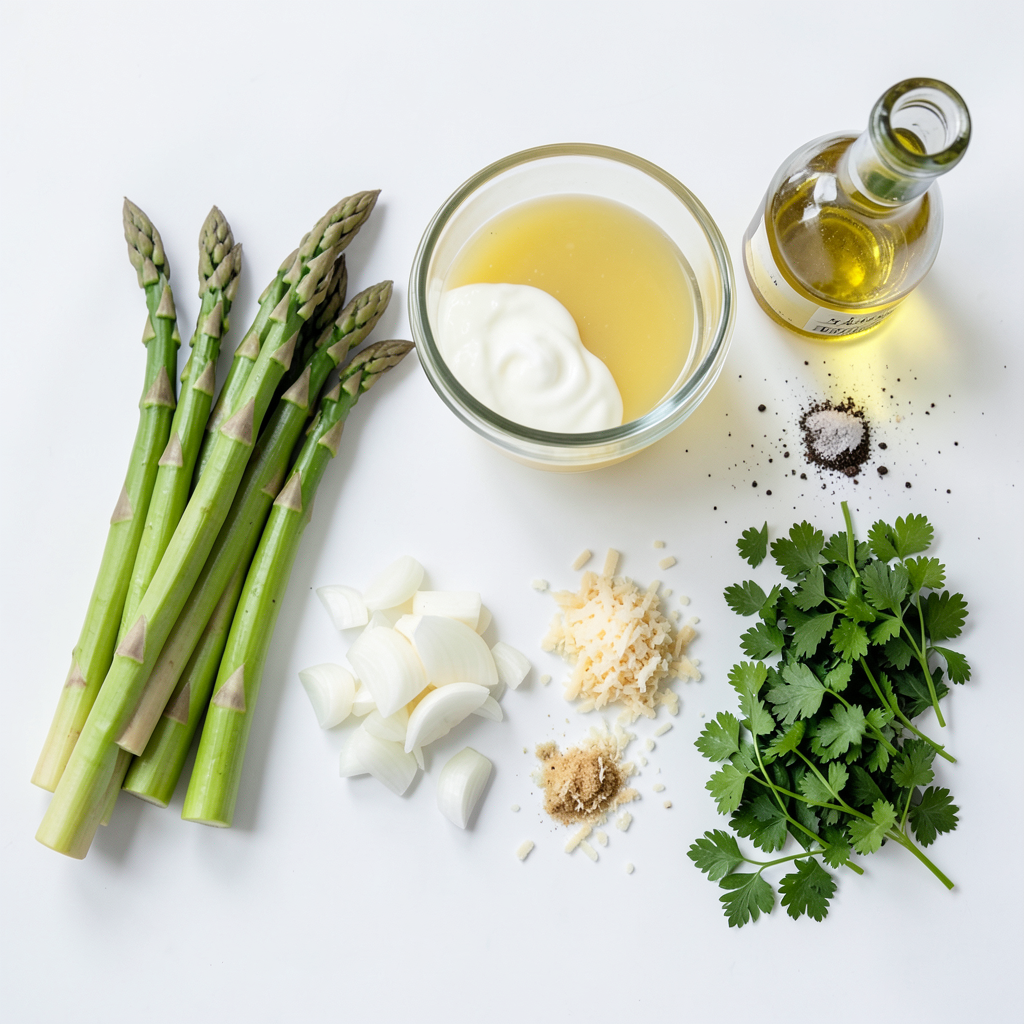
Fresh ingredients needed
- 1 lb fresh asparagus, trimmed and cut into 1-inch pieces
- 1 medium onion, diced
- 2 cloves garlic, minced
Asparagus brings bright color and taste. Choose firm stalks with closed tips. The onion adds sweetness, while garlic gives depth. These fresh ingredients make the soup vibrant and tasty.
Pantry staples
- 4 cups vegetable broth
- 1 cup heavy cream
- 1 cup grated Parmesan cheese
- 2 tablespoons olive oil
- Salt and pepper to taste
- 1 tablespoon lemon juice
Vegetable broth forms the soup's base. Heavy cream adds richness and a smooth texture. Parmesan cheese creates a savory flavor. Olive oil helps cook the onions and garlic. Salt and pepper balance all the tastes, while lemon juice adds a nice zing.
Optional garnishes and enhancements
- Fresh parsley, chopped (for garnish)
Chop fresh parsley for a pop of color. It also adds a fresh taste. For extra flair, drizzle olive oil or sprinkle more Parmesan on top. These little touches make the soup look and taste gourmet.
Step-by-Step Instructions
Preparation steps
1. Start by trimming your asparagus. Cut it into 1-inch pieces.
2. Dice the medium onion.
3. Mince the two garlic cloves.
Cooking process
1. In a large pot, heat 2 tablespoons of olive oil over medium heat.
2. Add the diced onion and sauté for 3-4 minutes. The onion should look translucent.
3. Next, add the minced garlic. Sauté for another minute until you smell its good scent.
4. Stir in the asparagus pieces. Cook for about 5 minutes until they become slightly tender.
5. Pour in 4 cups of vegetable broth. Bring this to a boil.
6. Once boiling, reduce the heat. Let it simmer for 10-15 minutes. The asparagus should be fully cooked.
7. Use an immersion blender to puree the soup until it’s smooth. If you don’t have one, carefully use a regular blender. Blend in batches if needed.
8. If you used a regular blender, return the soup to the pot.
9. Stir in 1 cup of heavy cream and 1 cup of grated Parmesan cheese. Cook on low heat for 5 minutes. The cheese should melt, making the soup creamy.
10. Season with salt, pepper, and 1 tablespoon of lemon juice to taste.
11. Ladle the soup into bowls and garnish with fresh parsley.
Tips for blending the soup
- If using a regular blender, let the soup cool slightly before blending.
- Blend in small batches to avoid spills.
- For a smoother texture, blend longer until it feels velvety.
Tips & Tricks
Best practices for flavor enhancement
To boost the taste of your creamy asparagus and Parmesan soup, use fresh ingredients. Fresh asparagus gives a vibrant flavor. Also, try adding herbs like thyme or dill. They pair well with asparagus and add depth. A squeeze of lemon juice brightens the soup, too. You can also sprinkle extra Parmesan on top for a rich finish.
Ingredient substitutions
If you need to swap some ingredients, there are easy options. For heavy cream, use half-and-half or coconut milk for a lighter soup. You can replace vegetable broth with chicken broth for added richness. If you don’t have Parmesan, try Pecorino Romano or nutritional yeast for a vegan choice. These substitutes keep the flavor strong without changing the essence of the soup.
Serving suggestions
Serve your soup warm in a bowl for a cozy meal. Add a drizzle of olive oil on top for a touch of luxury. A sprinkle of fresh parsley brightens the plate and adds color. Pair this soup with crusty bread or a fresh salad for a complete meal. It makes a great starter or a light lunch. Enjoy every spoonful!
Pro Tips
- Use Fresh Asparagus: For the best flavor and texture, always choose fresh asparagus. Look for firm, bright green stalks with closed tips.
- Enhance Flavor with Broth: Opt for a high-quality vegetable broth to deepen the soup’s flavor. Homemade broth can elevate the taste significantly.
- Adjust Consistency: If you prefer a thicker soup, reduce the amount of broth or add more cream. For a lighter option, you can substitute some heavy cream with milk.
- Garnish Creatively: Experiment with garnishes like croutons, a drizzle of truffle oil, or a sprinkle of lemon zest to add complexity to the dish.
Variations
Adding other vegetables
You can mix in other veggies to boost flavor. Try adding peas or spinach for sweetness. Broccoli or zucchini can also enhance the soup's texture and taste. Just chop them up small. Add them with the asparagus. Cook until they soften. This gives you a colorful and tasty soup.
Alternative dairy options
If you're lactose intolerant or want a lighter option, use almond milk or coconut cream. These options create a creamy soup without dairy. You can also try cashew cream for a rich taste. Adjust the seasoning as needed to get the right flavor.
Creating a lighter version
Make a lighter version by cutting the heavy cream. Use low-fat milk or broth instead. You can also skip the cheese or use less. Try adding more herbs like basil or thyme for extra taste. This keeps the soup fresh and bright without all the fat.
Storage Info
How to store leftovers
After enjoying your creamy asparagus and Parmesan soup, let it cool. Pour the soup into airtight containers. Store it in the fridge for up to three days. This method keeps it fresh and tasty. Always label the containers with the date. This helps you know how long it has been stored.
Reheating techniques
When you're ready to enjoy the soup again, reheating it is easy. Pour the soup into a pot. Heat it over medium-low heat, stirring often. This keeps the soup from sticking to the bottom. If you prefer the microwave, use a microwave-safe bowl. Heat it in short bursts, stirring in between. This ensures even warmth.
Freezing instructions
If you want to save the soup for a longer time, freezing is a great option. First, let the soup cool completely. Use freezer-safe containers or bags for storage. Leave some space at the top because the soup will expand when frozen. Write the date on the container. You can freeze the soup for up to three months. When you’re ready to eat, thaw it overnight in the fridge. Then, reheat as mentioned above.
FAQs
How to make the soup vegan-friendly?
To make the soup vegan, swap the heavy cream for coconut milk or a non-dairy cream. Use nutritional yeast instead of Parmesan cheese for a cheesy flavor. You can also replace the vegetable broth with a homemade vegan broth. This way, you keep the creamy texture and rich taste while making it plant-based.
Can I use frozen asparagus?
Yes, you can use frozen asparagus to make this soup. Just add the frozen asparagus directly to the pot. There is no need to thaw it first. The cooking time may be a bit longer to ensure it cooks through. This option makes it easy to enjoy the soup any time of the year.
What to serve with creamy asparagus and Parmesan soup?
I love pairing this soup with crusty bread or a fresh salad. A simple green salad with vinaigrette adds a nice crunch. You could also serve it with grilled cheese for a cozy meal. For something lighter, try pairing it with roasted vegetables. These sides complement the creamy richness of the soup perfectly.
This blog post covered how to make a delicious asparagus soup. You learned about fresh and pantry ingredients, cooking steps, and tips for blending. We shared best practices for flavor and ingredient swaps to suit your taste. You also saw ways to customize the soup and how to store leftovers.
With this guide, you can confidently create a tasty soup that fits your needs. Enjoy every bowl!