

Are you ready to savor a silky, rich soup that celebrates spring flavors? My Roasted Garlic and Asparagus Velouté is your next favorite dish. It's creamy, full of taste, and super simple to make. In this post, I'll guide you through each step, from picking fresh asparagus to perfecting that creamy texture. Let's get cooking and create a bowl of pure delight!
Why I Love This Recipe
- Fresh Ingredients: The vibrant asparagus and aromatic roasted garlic make this velouté incredibly fresh and flavorful.
- Easy to Make: This recipe is simple and requires minimal cooking skills, making it perfect for any home cook.
- Versatile Option: With a dairy-free option using coconut cream, this soup can cater to different dietary preferences.
- Comforting and Creamy: The velvety texture combined with the rich flavors makes it a comforting dish for any season.
Ingredients
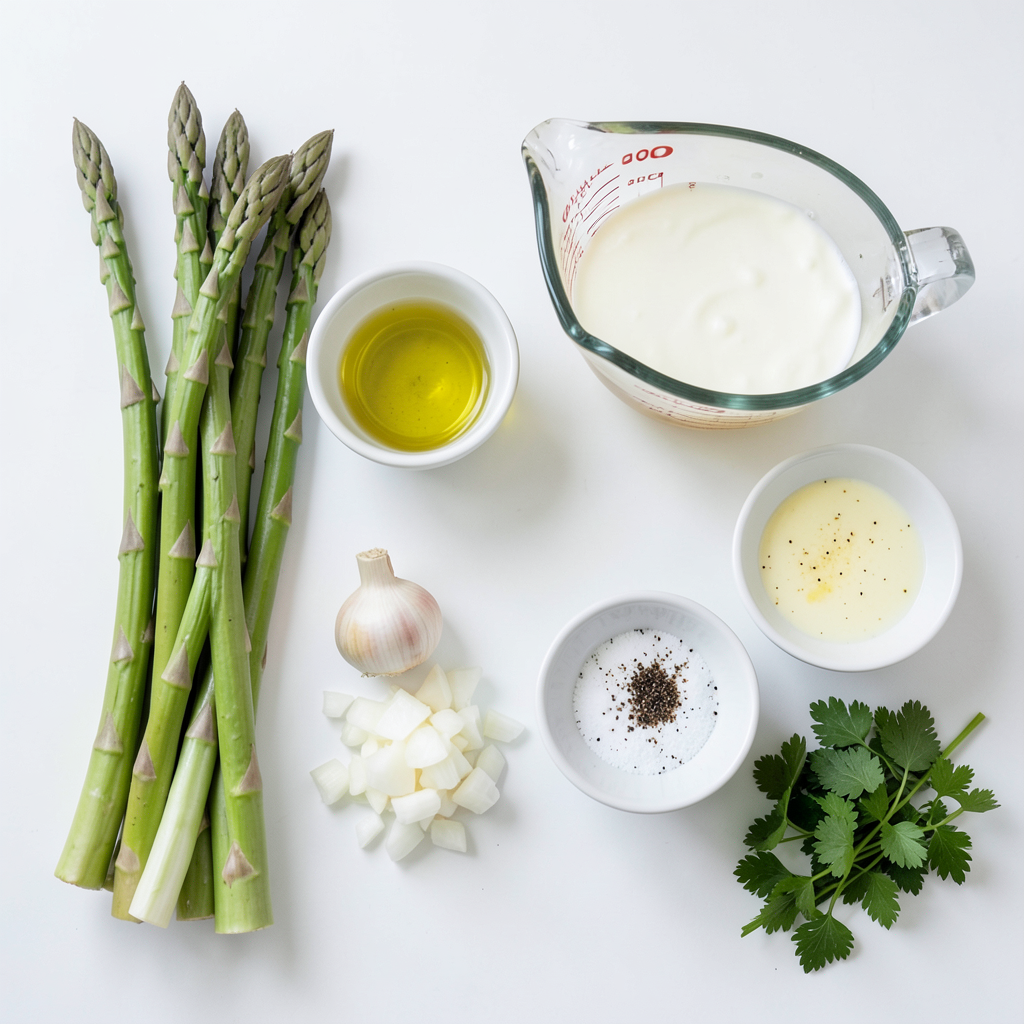
List of Ingredients for Creamy Roasted Garlic and Asparagus Velouté
- 1 bunch of fresh asparagus, trimmed and chopped
- 1 head of garlic
- 1 medium onion, diced
- 2 tablespoons olive oil
- 4 cups vegetable broth
- 1 cup heavy cream (or coconut cream for a dairy-free option)
- Salt and pepper to taste
- 1 tablespoon lemon juice
- Fresh parsley, for garnish
Substitutes for Ingredients
If you want a dairy-free soup, use coconut cream. This adds richness without dairy. You can swap the heavy cream for cashew cream as well. If you do not have vegetable broth, water works. However, it will change the flavor. For garlic, you can use garlic powder. Use about 1 teaspoon per clove.
Tips for Selecting Fresh Asparagus and Garlic
When choosing asparagus, look for bright green spears. They should be firm and straight. Avoid any that are wilted or slimy. The tips should be tightly closed. For garlic, choose heads that are firm and heavy. The skin should be dry and papery. Avoid any that feel soft or have dark spots. Fresh garlic has a strong smell. Choose what smells the best for your soup.
Step-by-Step Instructions
Prepping and Roasting the Garlic
Start by preheating your oven to 400°F (200°C). Take your head of garlic and slice off the top. Drizzle a little olive oil over it. Wrap it in aluminum foil tightly. Place it in the oven and let it roast for 30-35 minutes. The cloves will turn soft and caramelized. This step adds a rich flavor to your soup.
Sautéing the Vegetables
While the garlic roasts, take a large pot. Heat the remaining olive oil over medium heat. Add the diced onion and cook it until it turns translucent, about 5 minutes. Then, add the chopped asparagus to the pot. Sauté for another 5 minutes. The asparagus should look bright green and feel tender. This softening enhances the taste and texture of the soup.
Pureeing the Soup
Once your garlic is roasted, remove it from the oven. Squeeze the soft cloves into the pot with the asparagus and onions. Pour in the vegetable broth and bring it to a gentle simmer. Let it cook for about 15 minutes. This helps the flavors blend and the asparagus become very tender. Remove the pot from the heat and let it cool a bit. Use an immersion blender to puree the soup until it's smooth. If using a regular blender, do this in batches. Be careful with hot liquid! Return the pureed soup to the pot. Stir in the heavy cream and heat it through gently. Season with salt, pepper, and a splash of lemon juice. Your creamy soup is almost ready to serve!
Tips & Tricks
How to Enhance Flavor
To boost the flavor of your creamy soup, add some spices. Try a pinch of nutmeg or a dash of cayenne for warmth. Fresh herbs like thyme or dill can also add a nice touch. If you like a tangy note, consider adding a splash of white wine while cooking. These flavors can make your roasted garlic and asparagus velouté even more exciting.
Common Mistakes to Avoid
One common mistake is overcooking the asparagus. This can make them mushy and lose their bright color. Aim to sauté them just until they are tender. Another mistake is not seasoning enough. Always taste your soup before serving. Adjust salt and pepper as needed. Lastly, don’t skip the lemon juice; it brightens the soup and balances the flavors.
Best Practices for Creamy Texture
To achieve a smooth and creamy texture, use an immersion blender. This tool allows you to blend the soup directly in the pot. If using a regular blender, let the soup cool slightly first. Always blend in small batches to avoid spills. Adding heavy cream at the end will give your soup its rich, velvety finish. If you want a lighter version, coconut cream works well too.
Pro Tips
- Roast the Garlic: Roasting the garlic enhances its sweetness and depth of flavor, making your velouté richer and more aromatic.
- Use Fresh Asparagus: Fresh asparagus has a more vibrant color and flavor compared to canned or frozen, elevating the overall taste of the soup.
- Blend for Smoothness: Using an immersion blender allows for easy blending directly in the pot, reducing cleanup. Ensure the soup cools slightly before blending to prevent splattering.
- Adjust Creaminess: For a lighter version, substitute half of the heavy cream with vegetable broth or use coconut cream for a dairy-free alternative without compromising flavor.
Variations
Adding Protein
You can add protein to the creamy soup for a heartier meal. Chicken is a great choice. Cook diced chicken in the pot after the onions. For a meatless option, try tofu. Use firm tofu, cut into cubes. Sauté it until golden for a nice texture.
Alternative Vegetables You Can Use
Asparagus shines in this soup, but you can mix it up! Broccoli adds a nice crunch. Spinach brings a fresh taste. Green peas add sweetness. Just remember to adjust the cooking time. Cook until tender, then blend.
Vegan and Paleo Variations
To make it vegan, swap heavy cream for coconut cream. This keeps it rich and creamy. For a Paleo option, stick with coconut cream and use homemade broth. This keeps flavors bold and fresh.
Storage Info
How to Store Leftovers Properly
To keep your roasted garlic and asparagus velouté fresh, let it cool first. Once cool, pour it into an airtight container. Seal it tightly and place it in the fridge. This soup stays good for about three days. Make sure to label the container with the date. This way, you’ll know when it is best to eat.
Freezing Instructions
If you have extra soup, you can freeze it. Pour the cool soup into freezer-safe bags or containers. Leave some space at the top because the soup will expand when frozen. Make sure to label the bags with the date. This soup can last for up to three months in the freezer. When ready to use, just remember to thaw it in the fridge overnight.
Reheating Tips
When you are ready to eat, you can reheat the soup in a pot over low heat. Stir it often to ensure it heats evenly. If the soup is too thick, add a splash of vegetable broth or water to thin it out. You can also use a microwave. Heat it in a microwave-safe bowl for about 1-2 minutes. Stir halfway to avoid hot spots. Enjoy your soup warm and creamy!
FAQs
How long can I keep the creamy soup in the fridge?
You can keep the creamy soup in the fridge for about three to five days. Store it in a sealed container to keep it fresh. Before serving, check for any signs of spoilage. If it smells bad or looks odd, it's best to toss it.
Can I make this soup ahead of time?
Yes, you can make this soup ahead of time. In fact, it often tastes better the next day! Just let it cool and store it in the fridge. When you're ready to serve, gently reheat it on the stove. Stir well to mix in the flavors.
What are the best ways to serve this soup?
Serve this soup hot in bowls. You can top it with fresh parsley for a pop of color. A drizzle of olive oil adds richness. Pair it with crusty bread or a light salad for a full meal. This soup also works great as a starter for dinner parties.
How can I adjust the thickness of the soup?
To adjust the thickness, you have a couple of options. If it’s too thick, add more vegetable broth. Stir it in gradually until you reach your desired consistency. If it’s too thin, simmer it a bit longer to reduce. Puréeing more can also help thicken the soup.
This blog post covers how to make a tasty Creamy Roasted Garlic and Asparagus Velouté. We explored key ingredients, possible substitutes, and tips for fresh veggies. I laid out simple steps for prepping, roasting, and pureeing. You gained tips to boost flavor and avoid mistakes. We also looked at variations, storage tips, and answered common questions.
In short, this recipe is great for any meal. Enjoy cooking and making it your own!