
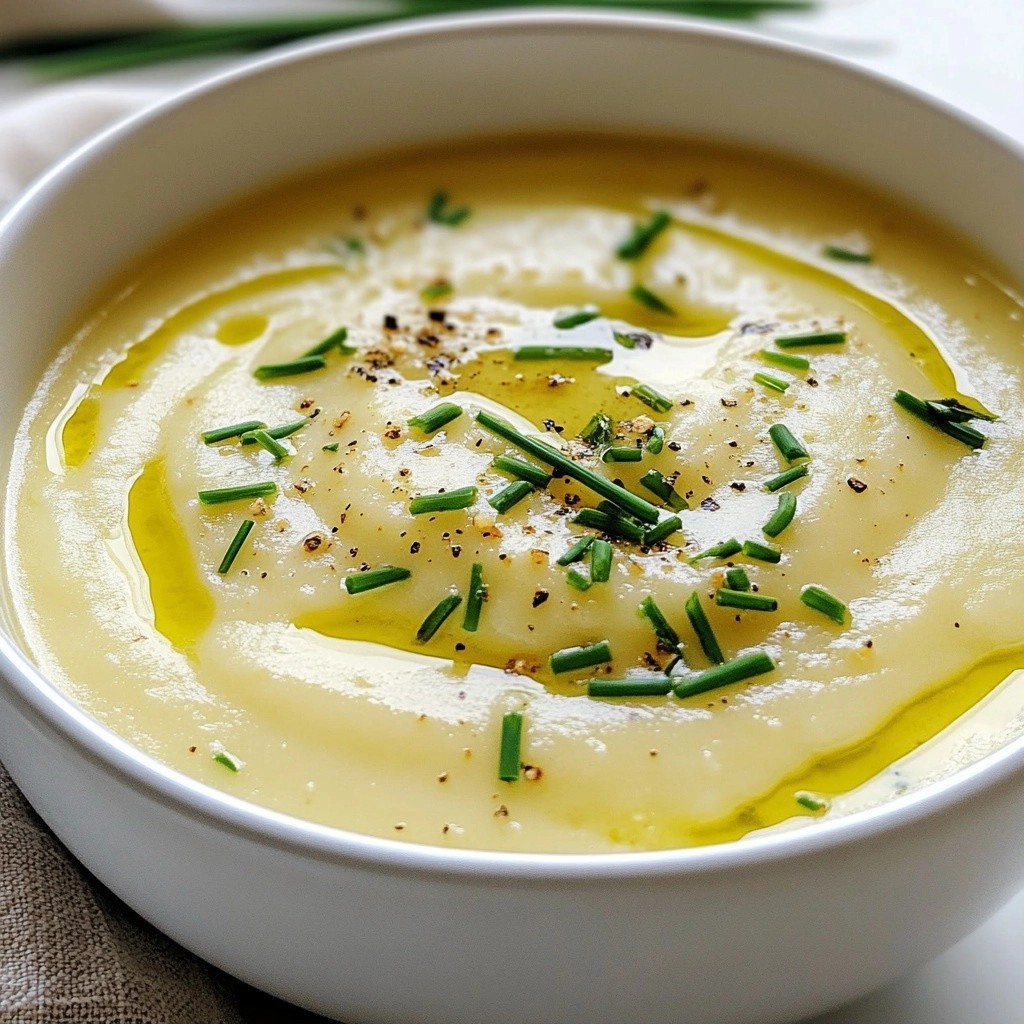
Welcome to Creamy Soup with Herb-Infused Potatoes Delight! In this post, I'm excited to share a recipe that's both comforting and full of flavor. You’ll learn how to make a creamy soup that features herb-infused potatoes, perfect for any time of year. Whether you're a kitchen novice or a seasoned chef, this guide will help you create a delicious bowl of warmth. Let’s dive in and explore the delightful ingredients and steps involved!
Why I Love This Recipe
- Comforting and Creamy: This potato soup is the epitome of comfort food, with a rich and velvety texture that warms you from the inside out.
- Herb-Infused Flavor: The addition of thyme and rosemary elevates the soup, creating a delightful aromatic experience with every spoonful.
- Quick and Easy: Ready in just 35 minutes, this recipe is perfect for busy weeknights when you need a nourishing meal without the fuss.
Ingredients
List of Required Ingredients
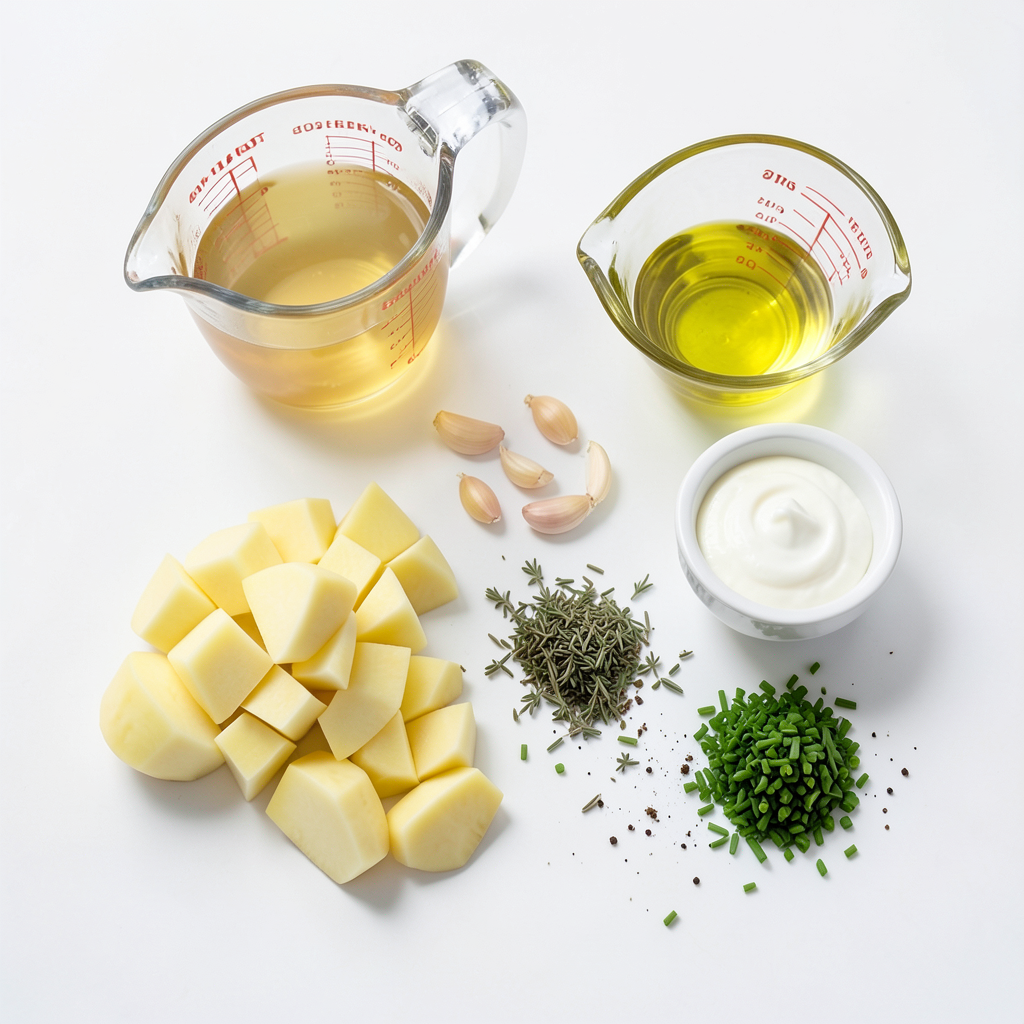
To make a delicious creamy soup with herb-infused potatoes, gather these ingredients:
- 4 medium-sized potatoes, peeled and diced
- 1 medium onion, chopped
- 3 cloves garlic, minced
- 4 cups vegetable broth
- 1 cup heavy cream or coconut milk
- 2 tablespoons olive oil
- 1 teaspoon dried thyme
- 1 teaspoon dried rosemary
- Salt and pepper to taste
- Fresh chives, finely chopped (for garnish)
These ingredients create a smooth and rich soup that warms the soul.
Substitutions for Key Ingredients
You can easily swap some ingredients if you need to. For example:
- Potatoes: Use sweet potatoes for a sweeter taste.
- Onion: Leeks or shallots work well too.
- Heavy cream: Use almond milk or cashew cream for a lighter option.
- Herbs: Fresh herbs can replace dried ones. Just use three times more fresh herbs.
These substitutions do not change the soup's core flavor, making it versatile.
Fresh vs Dried Herbs: What Works Best
Both fresh and dried herbs can shine in this soup.
- Fresh Herbs: They have a bright flavor and vibrant color. Use them right before serving.
- Dried Herbs: They offer a strong flavor and are great for cooking. Add them early in the process.
Using dried herbs works well when you want deep, infused flavors. Fresh herbs provide a lovely garnish and freshness at the end. Choose based on your taste and what you have on hand.
Step-by-Step Instructions
Preparation and Cooking Process
1. First, heat olive oil in a large pot over medium heat.
2. Next, add the chopped onion and minced garlic to the pot. Sauté them for about 3-4 minutes until the onion looks clear.
3. Now, add the diced potatoes, dried thyme, and dried rosemary. Stir everything together and cook for another 2 minutes to wake up the herb flavors.
4. Pour in the vegetable broth and bring the mix to a boil. Then, lower the heat and let it simmer for 15-20 minutes. You want the potatoes to be soft.
5. Once the potatoes are tender, use an immersion blender to puree the soup until it is smooth. If you don’t have one, you can carefully transfer the soup to a blender in batches.
6. Put the soup back on low heat and stir in the heavy cream or coconut milk. Season with salt and pepper. If the soup seems too thick, add more broth.
7. Let the soup cook on low for another 5 minutes to blend all the flavors. Then, remove it from heat.
Tips for Using an Immersion Blender
- When using an immersion blender, keep it submerged to avoid splashes.
- Move the blender around slowly to achieve a smooth texture.
- If the soup is too hot, let it cool slightly before blending for safety.
Adjusting Soup Consistency
- If your soup feels too thick, add small amounts of broth until you reach your desired texture.
- For a thicker soup, let it simmer longer to reduce the liquid.
- Always taste and adjust seasoning after changing the consistency for the best flavor.
Tips & Tricks
Enhancing Flavor with Additional Seasonings
To make your soup even tastier, add more spices. Consider using smoked paprika for a warm touch. A pinch of nutmeg can add depth, too. If you like heat, add a dash of cayenne pepper. Mix and match your favorites for unique flavors.
Best Practices for Sautéing Onion and Garlic
Sautéing onion and garlic is key to building great flavor. Start on medium heat. This helps the onion soften without burning. Stir them often until the onion turns clear, which takes about 3-4 minutes. Add garlic a minute later to avoid burning it. This makes the soup rich and savory.
Garnishing Ideas for Presentation
A beautiful soup needs a pretty finish! Fresh chives look nice and taste great. You can also drizzle extra cream or olive oil on top for richness. For a pop of color, add a sprinkle of paprika or some parsley. These simple touches make your soup look and taste gourmet.
Pro Tips
- Use Fresh Herbs: Fresh herbs can elevate the flavor profile of your soup. Consider adding fresh thyme or rosemary at the end of cooking for a vibrant taste.
- Adjust Consistency: If the soup is too thick, gradually add more vegetable broth until you reach your desired consistency. This will also enhance the flavor.
- Make it Vegan: To keep the soup vegan, use coconut milk instead of heavy cream. It adds a subtle sweetness and creaminess.
- Garnish Creatively: Don’t just limit yourself to chives; try adding crispy bacon bits, croutons, or a sprinkle of smoked paprika for added texture and flavor.
Variations
Vegan Option with Coconut Milk
You can easily make this creamy soup vegan. Just swap out the heavy cream for coconut milk. Coconut milk adds a rich and creamy texture. It also brings a hint of sweetness that pairs well with the herbs. You won’t lose any flavor; in fact, it adds a new layer to the dish.
Adding Extra Vegetables for Nutritional Boost
Want to make your soup even healthier? Add extra vegetables! Carrots, celery, or spinach blend well. Just chop them up and add them with the potatoes. They will cook down and mix into the soup. Not only do they boost nutrition, but they also add color and flavor.
Creamy Soup with Different Herbs and Spices
Feel free to get creative with your herbs and spices. If you want a different taste, try using fresh basil or dill. You can also add a pinch of cayenne pepper for some heat. Experimenting with flavors keeps your soup exciting. Each new herb will bring a unique twist to your creamy soup.
Storage Info
How to Store Leftovers
To keep your creamy soup fresh, let it cool first. Once cool, pour it into an airtight container. Seal it tightly to avoid air exposure. Store the soup in the fridge for up to three days. If you want to keep it longer, consider freezing it.
Reheating Methods for Optimal Flavor
When reheating, I recommend using the stove. Pour the soup into a pot and heat it on low. Stir it often to prevent sticking. If it gets too thick, add a splash of broth or water. You can also reheat in the microwave. Use a microwave-safe bowl and cover it with a lid. Heat it in short bursts, stirring in between.
Freezing the Soup: What You Need to Know
Freezing this soup is easy. Use freezer-safe containers or bags. Leave some space at the top, as soup expands when frozen. Label the containers with the date. The soup can last for up to three months in the freezer. To thaw, place it in the fridge overnight. Reheat it gently, and enjoy!
FAQs
How can I make this soup gluten-free?
To make this soup gluten-free, ensure your vegetable broth is gluten-free. Most store-bought broths are safe, but always check the label. The other ingredients in this recipe are naturally gluten-free. This change will keep the soup rich and tasty without any gluten.
Can I use frozen potatoes for this recipe?
Yes, you can use frozen potatoes. They work well, but thaw them first. Frozen potatoes may change the soup's texture slightly, but the flavor remains. Just make sure to adjust your cooking time. Cook them until they are tender like fresh potatoes.
What are some side dishes that pair well with creamy soup?
Creamy soup pairs nicely with several side dishes. Here are some great options:
- Crusty bread for dipping
- A fresh green salad
- Grilled cheese sandwiches
- Roasted vegetables
Each adds a delightful touch to your cozy meal.
This blog post covered key ingredients, step-by-step cooking, and helpful tips for your soup. You learned about ingredient substitutions, how to adjust soup consistency, and ways to boost flavor. We explored fun variations, storage tips, and answered common questions to make your cooking easier.
Remember, cooking should be fun and creative. Use this guide to make your soup a hit every time. Enjoy each bowl!