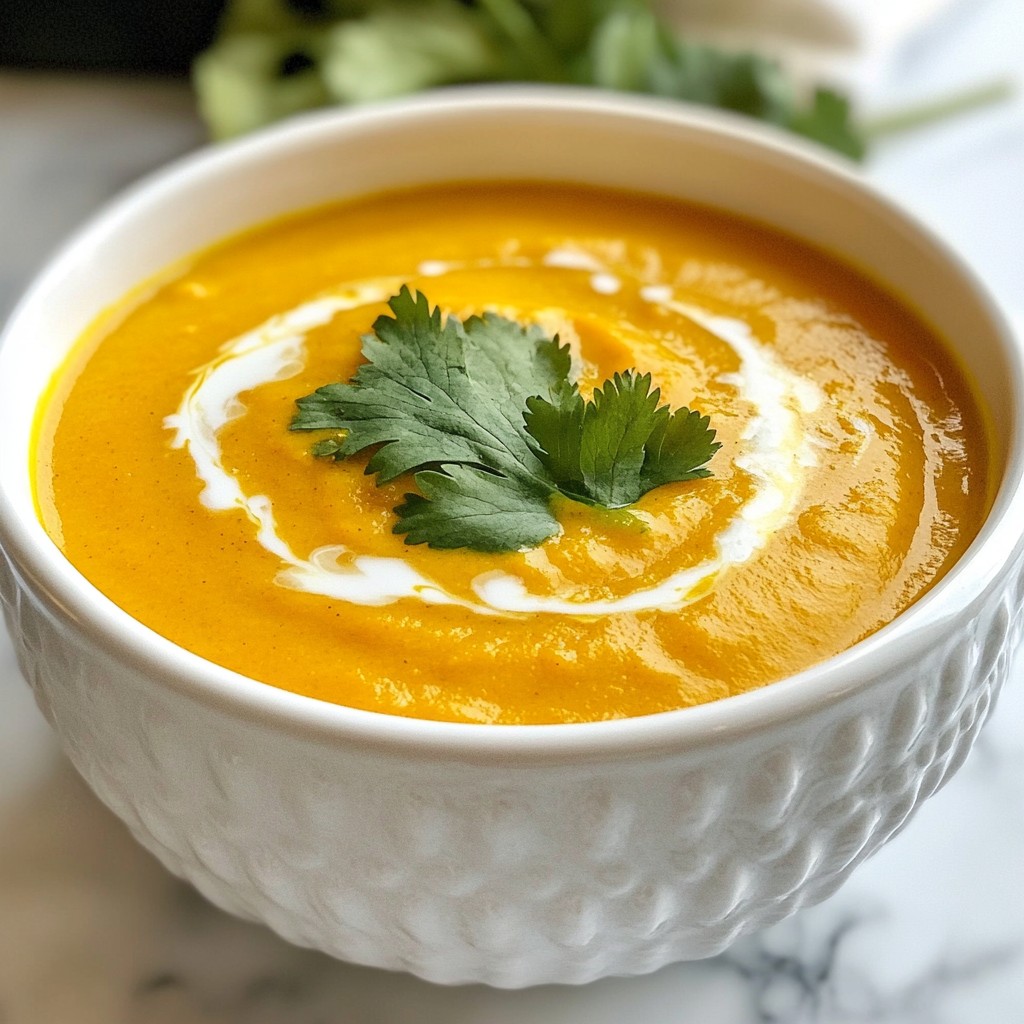
Looking to boost your immune system this season? Let's dive into my Ginger Turmeric Carrot Soup! This comforting dish combines carrots, ginger, and turmeric, packing a powerful punch of nutrients. You'll love how easy it is to make and how it warms you up from the inside out. Plus, I'm here to guide you through each step. Ready to give your health a tasty boost? Let's get cooking!
Why I Love This Recipe
- Delicious Flavor Profile: This soup perfectly balances the earthy tones of carrots with the zesty kick of ginger and turmeric, creating a comforting and invigorating dish.
- Boosts Immunity: Packed with anti-inflammatory ingredients, this soup is great for supporting your immune system, especially during cold seasons.
- Easy to Prepare: With simple steps and minimal ingredients, this recipe is quick to whip up, making it perfect for busy weeknights.
- Versatile and Healthy: This soup can be easily customized with additional veggies or spices, making it a nutritious meal for everyone.
Ingredients
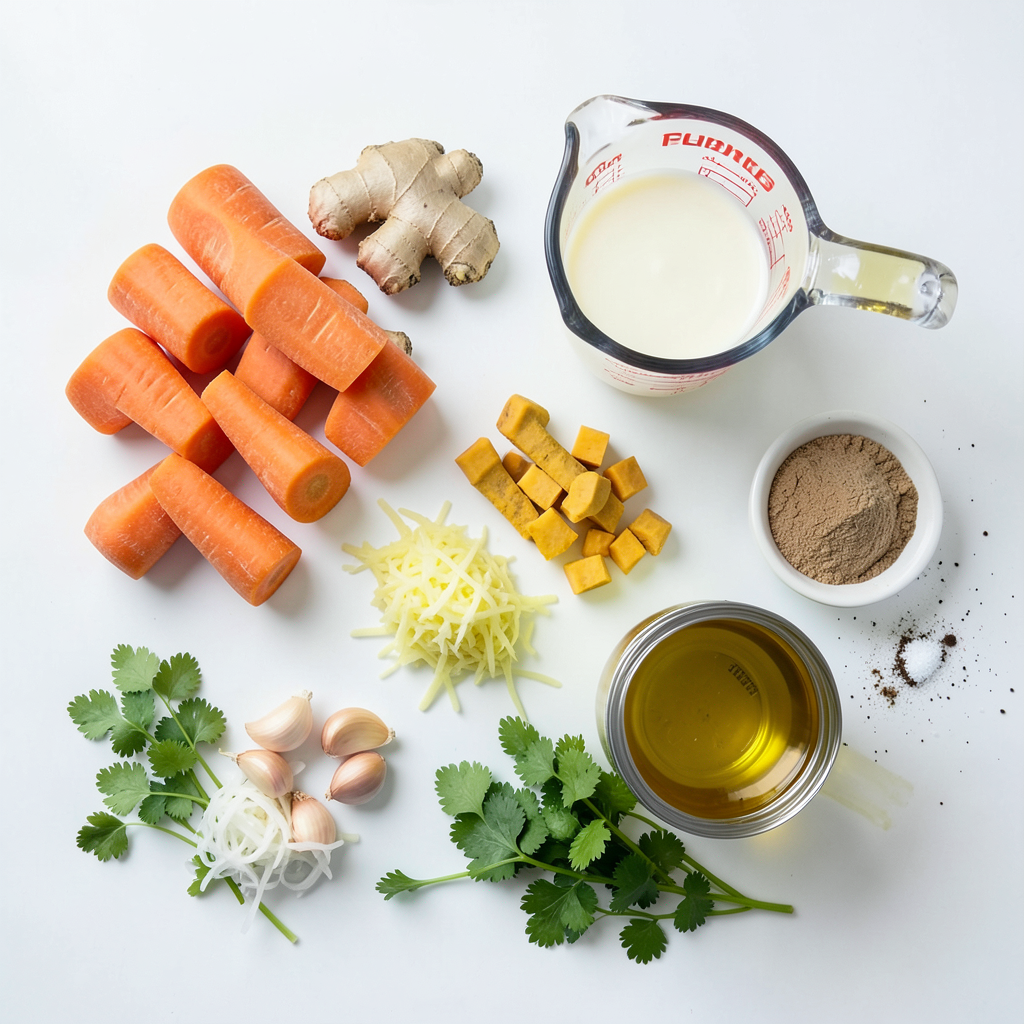
List of Ingredients
- 4 large carrots, peeled and chopped
- 1 tablespoon fresh ginger, grated
- 1 tablespoon fresh turmeric, grated (or 1 teaspoon ground turmeric)
- 1 medium onion, diced
- 2 cloves garlic, minced
- 4 cups vegetable broth
- 1 can (400ml) coconut milk
- 1 tablespoon olive oil
- 1 teaspoon cumin powder
- Salt and pepper to taste
- Fresh cilantro for garnish
Health Benefits of Ingredients
Carrots for immune health Carrots are rich in beta-carotene. This nutrient helps your body make vitamin A, which supports your immune system. Eating carrots can help you fight off colds and infections. They also have antioxidants that keep your cells healthy.
Ginger's anti-inflammatory properties Ginger is a powerful root. It can help reduce inflammation in your body. This helps your immune system work better. Ginger also soothes your stomach and can ease nausea. Adding ginger to your soup enhances both flavor and health.
Turmeric's role in boosting immunity Turmeric contains curcumin, a compound known for its health benefits. Curcumin boosts your immune system and fights inflammation. It may also help your body heal faster. Using fresh turmeric gives your soup a vibrant color and a warm, earthy taste.
Step-by-Step Instructions
Detailed Cooking Steps
1. Heat olive oil and sauté onion
Start by pouring the olive oil into a large pot. Set the heat to medium. Add the diced onion. Sauté the onion for about five minutes. You want it to turn soft and translucent.
2. Add garlic, ginger, and turmeric
Next, add the minced garlic, grated ginger, and fresh turmeric. Stir everything constantly for about one minute. This helps to release their lovely scents.
3. Incorporate carrots and spices
Now, add the chopped carrots and cumin powder to the pot. Mix everything well. Ensure the carrots get coated with the spices. This step adds depth to your soup's flavor.
Blending Techniques
You can use an immersion blender or a traditional blender. An immersion blender is easy. Just place it in the pot and blend until smooth. If you use a traditional blender, be careful. Let the soup cool a bit first. Blend in batches to avoid spills. Both methods work well to create a creamy soup.
Final Touches
Once your soup is smooth, return it to low heat. Stir in the coconut milk slowly. This gives the soup a rich, creamy texture. Season with salt and pepper to your taste. Heat everything for an additional five minutes. Your soup is now ready to serve!
Tips & Tricks
Maximizing Flavor
To boost the spice profile of your soup, use fresh ingredients. Fresh ginger and turmeric give a vibrant taste. Grate them just before use for the best flavor. You can also add a pinch of red pepper flakes for heat. If you want a deeper flavor, add a bit more cumin. A squeeze of lemon juice at the end brightens the soup and enhances the spices.
Optimal Cooking Techniques
When you sauté, make sure the oil is hot before adding onions. This helps them cook evenly. Stir frequently to avoid burning. After adding garlic, ginger, and turmeric, keep stirring for one minute. This step releases their oils and aromas. When simmering, keep the heat low to prevent the soup from boiling too hard. This way, the carrots cook slowly and become tender.
Serving Suggestions
Presentation matters! Serve the soup in bowls and drizzle a bit of coconut milk on top. This adds a creamy look. Garnish with fresh cilantro for color and flavor. You can pair it with crusty bread or a side salad for a full meal. This makes your soup not just tasty, but also appealing to the eye.
Pro Tips
- Fresh Ingredients: Use fresh ginger and turmeric for the best flavor and health benefits, as dried spices can lose potency over time.
- Adjusting Thickness: If you prefer a thicker soup, reduce the amount of vegetable broth or add more carrots for a heartier texture.
- Flavor Variations: Experiment with spices like coriander or a pinch of cayenne pepper for an extra kick, enhancing the soup's complexity.
- Storage Tips: This soup can be stored in the fridge for up to 5 days or frozen for up to 3 months, making it a great make-ahead meal.
Variations
Ingredient Substitutions
You can mix up the veggies in this soup. Try using sweet potatoes instead of carrots. They add a lovely sweetness. You can also use butternut squash for a similar taste. If you want to switch spices, consider adding a bit of coriander or paprika for warmth.
Vegan and Dairy-Free Options
This recipe is already dairy-free thanks to the coconut milk. If you want it to be vegan, just stick to the ingredients listed. Use vegetable broth as shown. You can also add nutritional yeast for a cheesy taste without dairy.
Additional Flavor Enhancements
Want to add more flavor? Try adding fresh herbs like thyme or basil. They boost the taste without overpowering the soup. A splash of lemon or lime juice can brighten it up too. Just add a little at a time until it tastes right.
Storage Info
Best Practices for Storing Leftovers
To store your Ginger Turmeric Carrot Soup, let it cool first. You can place it in an airtight container. If you plan to eat it within three days, put it in the fridge. For longer storage, freeze it in freezer-safe bags or containers. Make sure to leave some space for the soup to expand as it freezes.
Reheating Instructions
When you want to reheat the soup, use low heat on the stove. Stir it often to keep it smooth. If the soup gets too thick, add a little vegetable broth or water. You can also use a microwave. Just heat it in short bursts, stirring in between.
Shelf Life
In the fridge, your soup will last about three to four days. If you freeze it, it can last for up to three months. Just remember to label your containers with the date. This way, you’ll know when to use them for the best taste.
FAQs
Common Questions
Can I use dried ginger or turmeric instead? Yes, you can. Dried ginger and turmeric can work in a pinch. Use less than fresh, about half the amount. Dried spices are more concentrated, so adjust to your taste.
How can I make this soup spicier? To spice it up, add a pinch of cayenne pepper or red pepper flakes. You can also include a chopped jalapeño while cooking the onions. Adjust it to fit your heat level.
What are the health benefits of coconut milk in the soup? Coconut milk adds creaminess and healthy fats. It helps your body absorb nutrients from the spices and carrots. Plus, it has anti-inflammatory properties, which boost your immune system.
Troubleshooting Cooking Issues
What to do if the soup is too thick or thin? If the soup is too thick, add a bit more vegetable broth or water. Stir well and heat it again. If it's too thin, continue to simmer to reduce it. You can also blend in more carrots to thicken.
Serving Size Information
Nutritional info per serving and adjustments for serving size This recipe makes about four servings. Each serving has roughly 200 calories. For more servings, simply double or triple the ingredients. Adjust seasonings to balance flavors as needed.
This blog post walked you through making a delicious and healthy soup. You learned about the key ingredients, like carrots and ginger, and their health benefits. I shared my step-by-step cooking instructions to guide you. You also found tips on maximizing flavor and variations to suit your taste. Storing leftovers properly keeps the soup fresh. Remember, this soup is not just tasty—it’s good for your health. Enjoy making it and feel proud of your cooking skills!