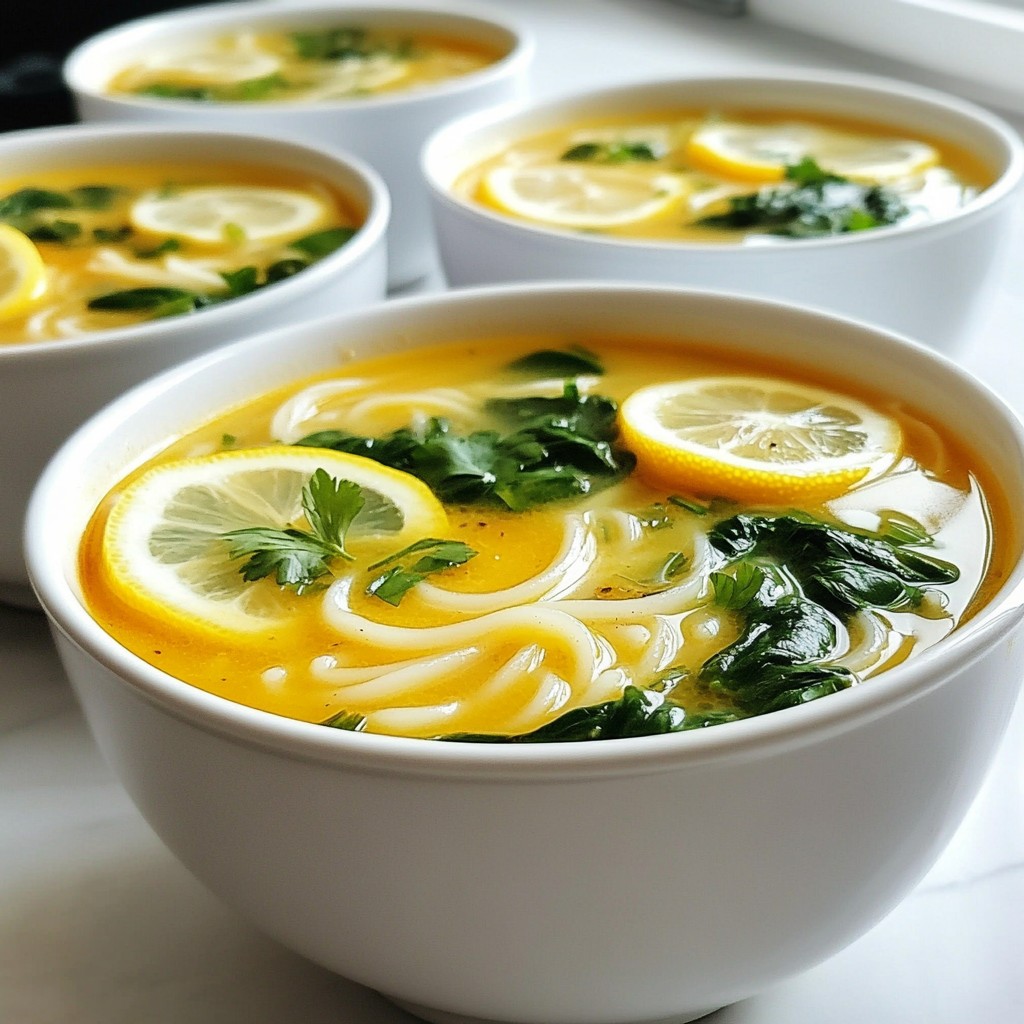
Get ready to warm your soul with Persian Noodle Soup, a dish that’s both rich and comforting. This bowl of goodness is packed with flavors and textures that will make you want more. In this guide, I'll show you how to create this tasty soup step-by-step, from choosing the right ingredients to cooking tips that help you avoid common mistakes. Let’s dive in and make some delicious memories with every spoonful!
Why I Love This Recipe
- Comforting Bowl: This soup is the perfect comfort food, warming you from the inside out with its rich flavors and hearty ingredients.
- Fresh Ingredients: It highlights fresh herbs and vegetables, making it a vibrant and healthy choice for any meal.
- Quick & Easy: With a prep time of just 15 minutes, it’s a quick and easy meal that fits perfectly into a busy lifestyle.
- Versatile Dish: You can easily customize it by adding your favorite proteins or other vegetables, making it suitable for everyone.
Ingredients
Authentic Ingredients for Persian Noodle Soup
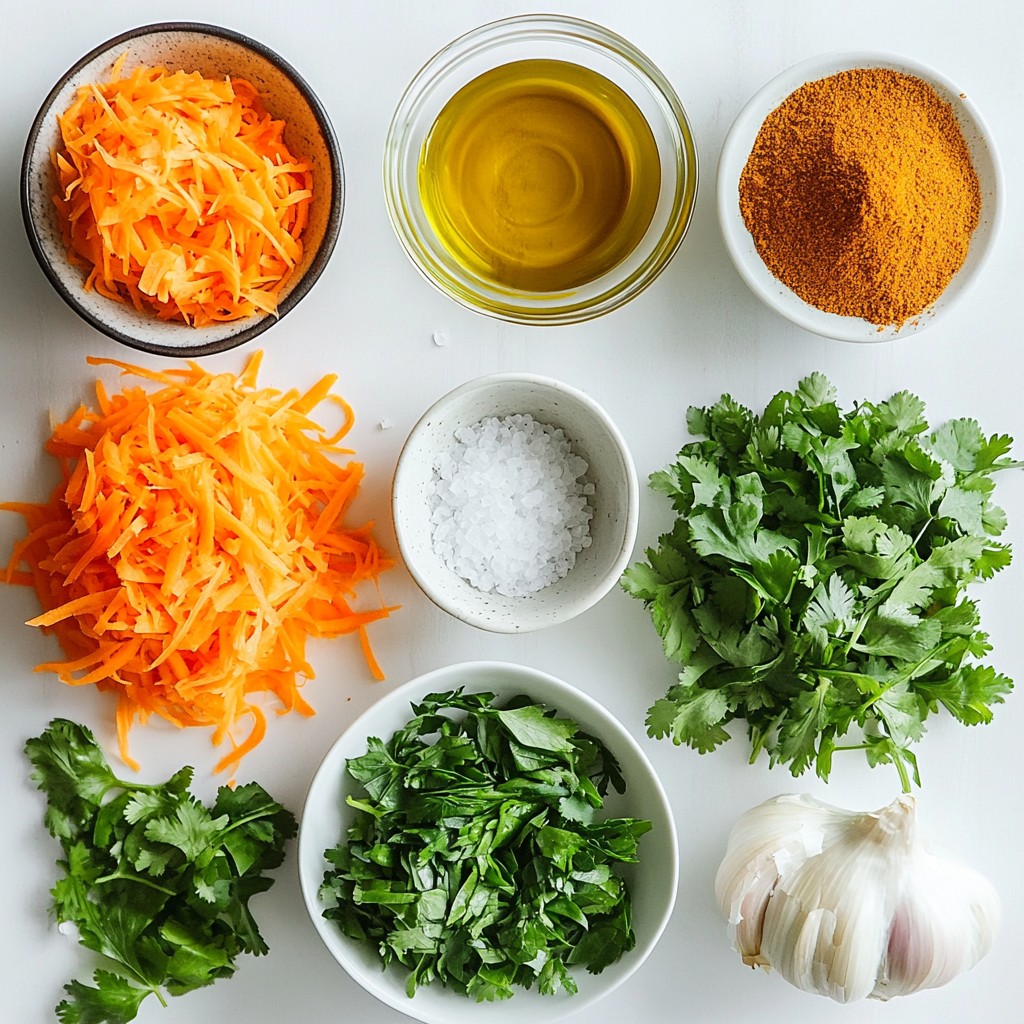
To make a hearty Persian noodle soup, you need fresh, vibrant ingredients. Here’s what you’ll need:
- 4 cups vegetable broth
- 1 cup water
- 1 medium onion, diced
- 2 cloves garlic, minced
- 1 large carrot, shredded
- 2 cups spinach, chopped
- 1 cup fresh herbs (parsley, cilantro, mint), chopped
- 1 teaspoon ground turmeric
- 1 teaspoon ground cumin
- 1 teaspoon black pepper
- Salt to taste
- 1 cup flat rice noodles (or any preferred noodles)
- 2 tablespoons lemon juice
- 2 tablespoons olive oil
These ingredients create a rich and flavorful base for your soup. The herbs add freshness, while the broth gives a deep taste.
Optional Add-ins
You can customize your soup with some fun add-ins. Here are a few ideas:
- Chickpeas: Add protein and texture.
- Lentils: Boost fiber and heartiness.
- Red bell peppers: For a sweet crunch.
- Zucchini: Adds moisture and color.
Feel free to experiment with what you have on hand. Each addition can change the flavor profile of your soup.
Spice Options and Alternatives
Spices are key to the dish's depth. Here are some options:
- Saffron: A pinch can elevate the soup’s taste and color.
- Cinnamon: Adds warmth and a hint of sweetness.
- Cardamom: For a unique, aromatic touch.
If you don't have these spices, don’t worry! The basic turmeric and cumin will still give you a great flavor. Adjust according to your taste and what you enjoy.
Step-by-Step Instructions
Preparing the Base: Sautéing Onions and Spices
Start by heating the olive oil in a large pot over medium heat. Add the diced onion. Sauté it for about 5 minutes until it becomes translucent. This step builds a strong flavor base. Then, stir in the minced garlic and shredded carrot. Cook this mix for 2-3 minutes until it smells great. Now, add the ground turmeric, cumin, black pepper, and salt. Stir well to combine and lightly toast the spices. This helps release their flavors.
Adding the Broth and Vegetables
Next, pour in the vegetable broth and water. Bring this mixture to a gentle boil. Reducing the heat to low is key here. Now, add the chopped spinach and fresh herbs. Let them wilt for about 3-4 minutes. This step adds freshness and color to your soup.
Cooking the Noodles and Finishing Touches
Now it’s time for the noodles. Stir in the flat rice noodles and cook them according to the package instructions. Usually, this takes about 3-5 minutes until they are tender. Once the noodles are cooked, add the lemon juice. Taste and adjust the seasoning as needed. Serve your soup hot. Garnish with extra fresh herbs and a drizzle of olive oil if you like. Enjoy the warmth and depth of flavor in your bowl!
Tips & Tricks
How to Enhance Flavor with Serving Suggestions
To boost the taste of Persian noodle soup, try these tips. A sprinkle of fresh herbs on top adds color and flavor. You can use parsley, cilantro, or mint. Serve lemon wedges on the side. A squeeze of lemon brightens the soup. Drizzle a bit of olive oil for richness. You can also add a dollop of yogurt for creaminess. This adds a nice tang and pairs well with the spices.
Best Practices for Noodle Cooking
Cooking noodles properly makes a big difference. Follow the package instructions carefully for timing. Use plenty of water to keep the noodles from sticking. Add a pinch of salt to the water for flavor. Stir the noodles gently while cooking. This helps them cook evenly. Drain them well before adding to your soup. If you want to save time, you can cook the noodles separately. Then, combine them with the soup when serving.
Common Mistakes to Avoid
Avoid overcooking the noodles. They can turn mushy and lose their texture. Don't skip the fresh herbs; they add vital flavor and nutrition. Make sure to season the broth well with salt and spices. Taste it before serving. If it feels bland, add more seasoning. Lastly, do not rush the sautéing of onions and garlic. This step builds a rich base of flavor for your soup.
Pro Tips
- Use Fresh Herbs: Fresh herbs enhance the flavor profile of the soup. Adding them at the end preserves their vibrant taste and aroma.
- Cook Noodles Separately: For a better texture, consider cooking the noodles separately and adding them to the soup just before serving.
- Adjust Seasoning: Always taste your soup before serving; you may need to add more salt or lemon juice to brighten the flavors.
- Serve with Lemon Wedges: Adding lemon wedges on the side allows everyone to customize their soup with a fresh squeeze of lemon juice.
Variations
Vegetarian vs. Meat-Based Options
You can enjoy Persian noodle soup in two main ways: vegetarian or meat-based. The vegetarian version uses rich vegetable broth and lots of fresh veggies. You can add beans for protein. If you like meat, try using shredded chicken or beef. This adds a savory depth to the soup. Both options taste great and keep the soul warm.
Regional Variations of Persian Noodle Soup
Persian noodle soup has many regional twists. In some areas, cooks add lentils or chickpeas for extra heartiness. Others might include different herbs like dill or tarragon. In Isfahan, they often use a tangy dried lime, which adds a unique flavor. Each region has its own touch, making every bowl special and different.
Gluten-Free and Noodle Substitutes
If you need a gluten-free option, don't worry! You can swap regular noodles for flat rice noodles, which work well. Other good choices are zucchini noodles or shirataki noodles. These alternatives keep the same nice texture while fitting your diet needs. Just make sure to adjust the cooking time based on the noodle type you choose.
Storage Info
How to Store Leftovers
To store your Persian noodle soup, let it cool first. Transfer the soup into an airtight container. Make sure the lid seals tightly. Store it in the fridge for up to three days. If you want to keep it longer, consider freezing it.
Freezing Tips for Persian Noodle Soup
For freezing, use freezer-safe containers. Leave some space at the top for expansion. You can also freeze individual portions for easy meals later. The soup keeps well for about three months. When you're ready to eat, just thaw it in the fridge overnight.
Reheating Instructions for Best Results
To reheat, pour the soup into a pot. Warm it over medium heat. Stir often to heat evenly. If the soup seems thick, add a splash of water or broth. You can also microwave it in a safe bowl. Heat in short bursts, stirring in between. Enjoy your comforting bowl once again!
FAQs
What is Persian Noodle Soup?
Persian Noodle Soup is a warm and comforting dish. It combines rich flavors and fresh herbs. The soup often includes flat rice noodles, vegetables, and spices. You will find it soothing on a cold day. The blend of turmeric, cumin, and black pepper gives it a unique taste. Fresh herbs like parsley, cilantro, and mint add brightness. Each bowl feels like a hug from home.
Can I make Persian Noodle Soup ahead of time?
Yes, you can make Persian Noodle Soup ahead of time. It stores well in the fridge for a few days. Just keep the noodles separate until serving. Cooked noodles can get soggy if left in soup. When you're ready to eat, heat the soup on the stove. Add the noodles in the last few minutes of cooking. This keeps everything fresh and flavorful.
What types of noodles can I use in this recipe?
You can use different types of noodles in this soup. Flat rice noodles work best, but you can be creative. Egg noodles or whole wheat noodles are good options too. If you prefer gluten-free, try rice noodles or zucchini noodles. Just make sure to adjust cooking times based on the noodles you choose. Enjoy experimenting with your favorites!
In this blog post, we covered how to make a tasty Persian noodle soup. We discussed the right ingredients, step-by-step cooking, and tips to improve flavor. We also explored variations for different diets and shared storage advice for leftovers. Remember, this soup is flexible and can fit many tastes. Whether you love meat or prefer veggies, you can make it your own. Enjoy crafting this dish and sharing it with others!