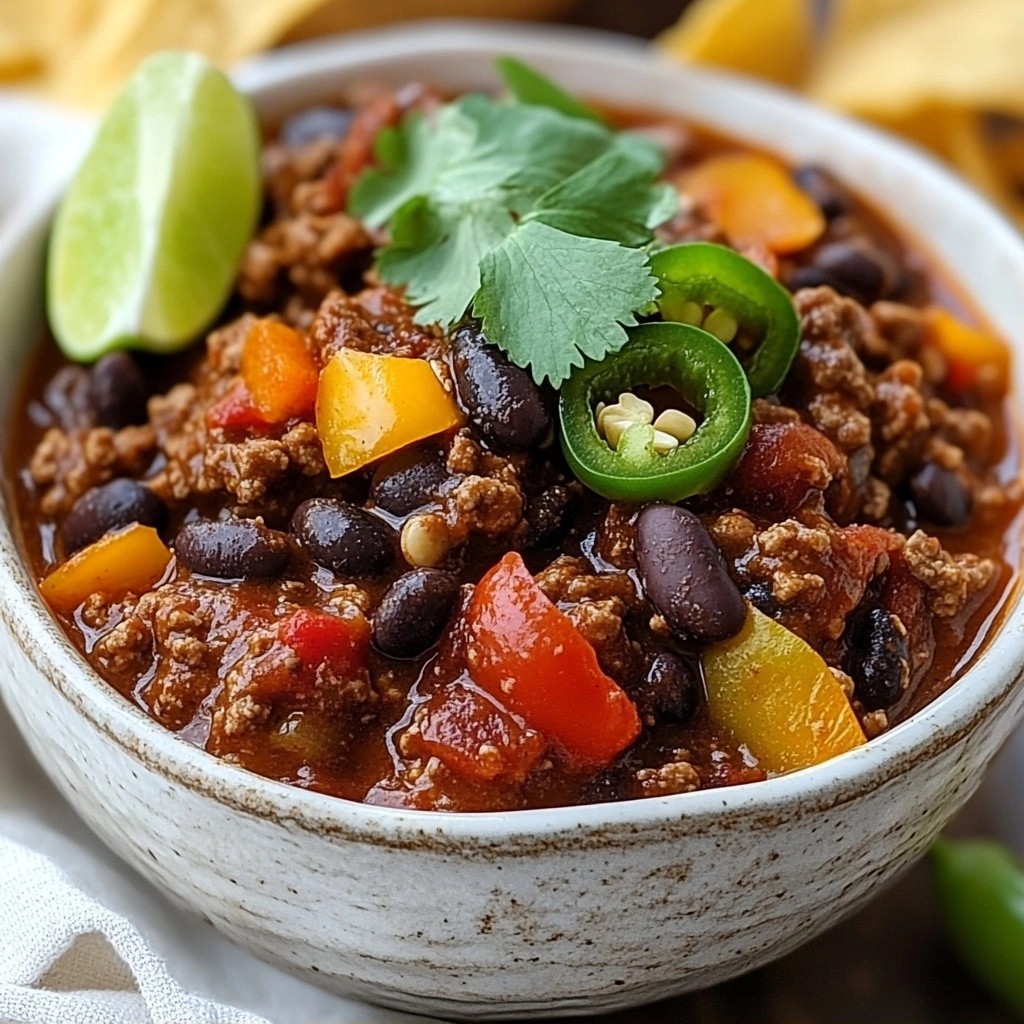
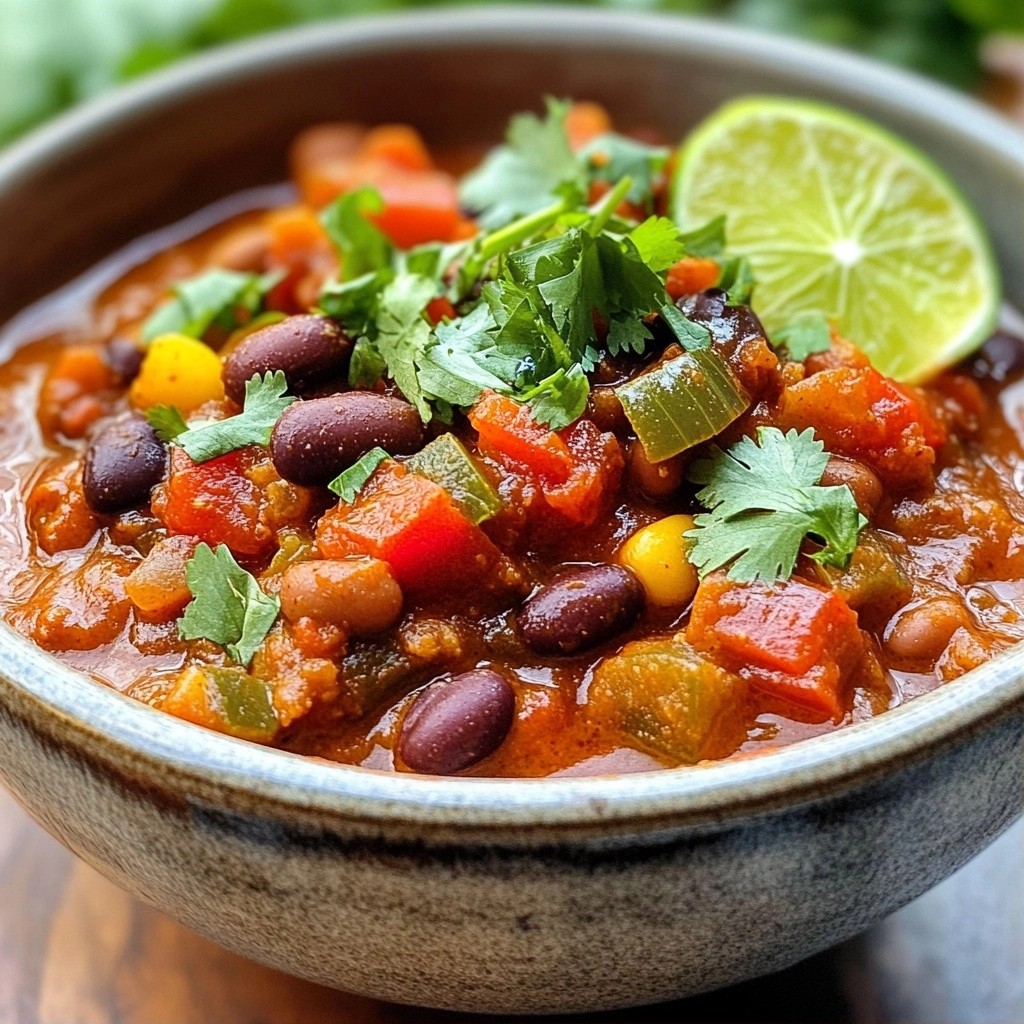
Are you ready to spice up your dinner routine? This Spicy Roasted Red Pepper and Bean Chili Recipe is perfect for any night. Packed with flavor and easy to make, it will warm your soul. I’ll guide you through each step to ensure your chili turns out just right. Whether you're a beginner or a pro in the kitchen, you'll love how simple and tasty it is! Let’s dive in!
Why I Love This Recipe
- Flavorful and Spicy: This chili packs a punch with the perfect balance of spices and roasted red peppers, making every bite a delicious explosion of flavor.
- Healthy and Wholesome: With beans, corn, and vegetables, this dish is nutritious and filling, perfect for a cozy meal that doesn’t compromise on health.
- Easy to Prepare: This recipe comes together quickly with minimal prep work, making it an ideal choice for busy weeknights or meal prep.
- Customizable: You can easily adjust the spice level and ingredients based on what you have on hand or your taste preferences, ensuring it’s a dish everyone will love.
Ingredients
List of Ingredients
- 2 large roasted red peppers, peeled and diced
- 1 can (15 oz) black beans, drained and rinsed
- 1 can (15 oz) kidney beans, drained and rinsed
- 1 can (15 oz) diced tomatoes with green chilies
- 1 medium onion, diced
- 3 cloves garlic, minced
- 1 teaspoon ground cumin
- 1 teaspoon smoked paprika
- 1 teaspoon chili powder
- ½ teaspoon cayenne pepper (adjust for spice level)
- 2 tablespoons olive oil
- 2 cups vegetable broth
- 1 cup corn kernels (fresh or frozen)
- Salt and pepper to taste
- Fresh cilantro for garnish
- Lime wedges for serving
Measurement Details
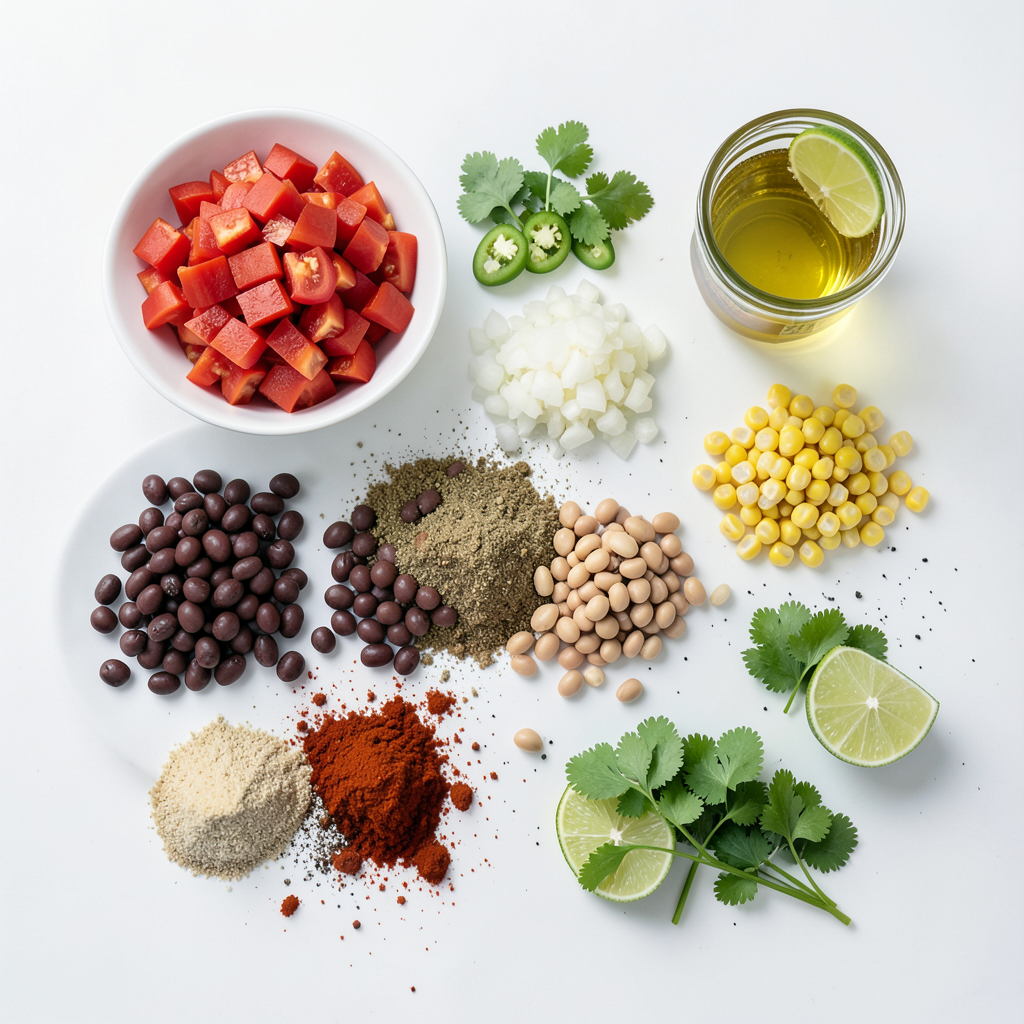
Use two large roasted red peppers for a great flavor base. The black and kidney beans add protein and texture. Each can of beans is 15 ounces. The diced tomatoes with green chilies bring heat and moisture. A medium onion and three garlic cloves add depth. Use one teaspoon each of cumin, smoked paprika, and chili powder for flavor. Adjust cayenne to control heat. Olive oil helps sauté the onion and garlic. You need two cups of vegetable broth for a nice chili consistency. Add one cup of corn kernels for a pop of sweetness. Season with salt and pepper to taste. Fresh cilantro and lime wedges are for serving.
Quality Tips for Ingredients
Choose roasted red peppers from a jar for ease, or roast your own for freshness. Look for canned beans without added salt or sugar. This choice keeps the chili healthy. For tomatoes, select ones packed with green chilies for added flavor. Use fresh onion and garlic for the best taste. When picking spices, go for high-quality brands for more robust flavors. Opt for low-sodium vegetable broth to keep control over salt levels. Fresh corn adds sweetness, but frozen works well too. Always taste your seasonings to ensure the chili meets your liking.
Step-by-Step Instructions
Preparation Steps
Start by gathering your ingredients. You need roasted red peppers, black beans, kidney beans, diced tomatoes, onion, garlic, corn, and spices. Dice the onion and peel and chop the roasted red peppers. Mince the garlic cloves. Rinse the black and kidney beans to remove excess salt.
Cooking Process
In a large pot, heat the olive oil over medium heat. Add the diced onion and sauté it for about 5 minutes. The onion should become soft and clear. Then, stir in the minced garlic and let it cook for one more minute. This adds great flavor.
Next, add the chopped roasted red peppers, black beans, kidney beans, and corn to the pot. Stir everything together. Pour in the diced tomatoes with their juice and add the vegetable broth. Mix well to combine.
Now, season the chili with cumin, smoked paprika, chili powder, cayenne pepper, and a pinch of salt and pepper. Stir to make sure the spices mix in well. Bring the mixture to a simmer, then reduce the heat to low. Let it cook uncovered for 30-35 minutes. Stir occasionally to prevent sticking. The chili will thicken up nicely.
Final Touches
After cooking, taste your chili. Adjust the seasoning with more salt, pepper, or cayenne if you like it spicier. When ready to serve, ladle the chili into bowls. Garnish with fresh cilantro and add a lime wedge on the side. The lime adds a zesty flavor that brightens the dish. Enjoy your hearty chili!
Tips & Tricks
Adjusting Spice Levels
To change the spice in your chili, start with the cayenne pepper. Use less cayenne for a milder taste. You can also add more after cooking. Taste it first before you add more spice. If you want more heat, try adding fresh jalapeños or hot sauce. Always remember to mix it well after adding spices. This helps the heat spread evenly.
Making it Creamier
If you love a creamy chili, there are easy ways to achieve this. You can stir in a cup of sour cream or Greek yogurt just before serving. This adds richness and smoothness. Another option is to blend a portion of the beans and stir them back into the chili. This thickens the chili while still keeping the texture. You can also try adding a little cream or coconut milk for a unique twist.
Enhancing Flavor Profiles
To make your chili even better, add fresh herbs like basil or oregano. These herbs boost the flavor and add freshness. You can also squeeze some lime juice in before serving. This adds a zesty kick that brightens the dish. For depth, consider adding a dash of soy sauce or Worcestershire sauce. These ingredients bring umami, which makes the chili more complex. Finally, don’t forget to season with salt and pepper as you taste. This simple step can make a big difference.
Pro Tips
- Adjust the Spice Level: If you prefer a milder chili, reduce the cayenne pepper or omit it altogether. You can also serve hot sauce on the side for those who like more heat.
- Enhance the Flavor: For a deeper flavor, consider adding a dash of liquid smoke or a tablespoon of soy sauce to the chili while it simmers.
- Make It Ahead: Chili tastes even better the next day! Make a batch in advance and store it in the refrigerator for up to 3 days or freeze for up to a month.
- Garnish Creatively: Besides cilantro and lime, try adding avocado slices, shredded cheese, or sour cream to enhance the dish's presentation and flavor.
Variations
Adding Proteins
You can mix in proteins to make the chili heartier. Chicken, ground beef, or turkey work well. For a plant-based option, try lentils or quinoa. Cook these proteins first before adding them to the pot. This adds flavor and makes the dish more filling. You can also use canned beans like pinto or navy beans. Each choice gives a unique taste.
Vegetarian vs. Vegan Options
This chili is already vegetarian with beans and veggies. To make it vegan, just skip any animal-based toppings. Use avocado slices or vegan sour cream instead of dairy. You can also add nutritional yeast for a cheesy flavor. This way, you keep the chili tasty while meeting dietary needs.
Seasonal Veggies to Include
Seasonal veggies enhance flavor and nutrition. In spring, add zucchini or peas. Summer is great for bell peppers and corn. Fall brings squash and carrots. Winter allows for root veggies like sweet potatoes. Just chop and toss them in with the main ingredients. Fresh veggies make the chili colorful and fun. Keep the balance of flavors in mind!
Storage Info
Refrigeration Tips
After making your spicy roasted red pepper and bean chili, let it cool. Store it in an airtight container. It will last in the fridge for up to five days. For the best taste, eat it within three days. When ready to eat, just take it out, and reheat.
Freezing Instructions
You can freeze your chili for later. Use freezer-safe containers or bags. Make sure to leave some space for expansion. It keeps well for up to three months. To use it, thaw in the fridge overnight or use the microwave.
Reheating Best Practices
Reheat your chili slowly on the stove. Add a splash of water or broth to prevent it from drying out. Stir it often to heat evenly. If using the microwave, heat in short bursts. Stir in between to keep the heat steady. Enjoy your chili hot, garnished with cilantro and lime!
FAQs
How can I make Spicy Roasted Red Pepper and Bean Chili milder?
To make this chili milder, reduce the cayenne pepper. You can also skip the chili powder. Adding more corn or beans can help lower the heat too. If you serve the chili with sour cream or avocado, it will cool it down. These toppings add creaminess and balance to the spice.
What can I serve with this chili?
This chili pairs well with a few sides. Try serving it with:
- Cornbread
- Rice
- Tortilla chips
- A fresh salad
These options add flavor and texture. You can also top the chili with cheese, sour cream, or fresh cilantro for extra taste.
Can I use fresh red peppers instead of roasted?
Yes, you can use fresh red peppers. Just chop them up and sauté them in the olive oil first. Cook them until they soften, about five minutes. Roasting gives a smoky taste, but fresh peppers work well too. If you prefer the smoky flavor, consider charring the fresh peppers on a grill or in the oven before adding them to the chili.
In this blog post, we covered the key ingredients, step-by-step instructions, and helpful tips for making Spicy Roasted Red Pepper and Bean Chili. You learned how to adjust spice levels, add proteins, and use seasonal veggies to enhance your meal. Remember to store extras wisely and follow reheating best practices for the best taste. By applying these methods, you can enjoy a delicious chili tailored to your preferences. Dive into your kitchen and bring your chili to life! Enjoy making this tasty dish.